









[ click para entrar ]
Cosas que armé porque yo o alguien cerca las necesitaba. Siguen en obra.Things I built because I, or someone close, needed them. Still under construction.


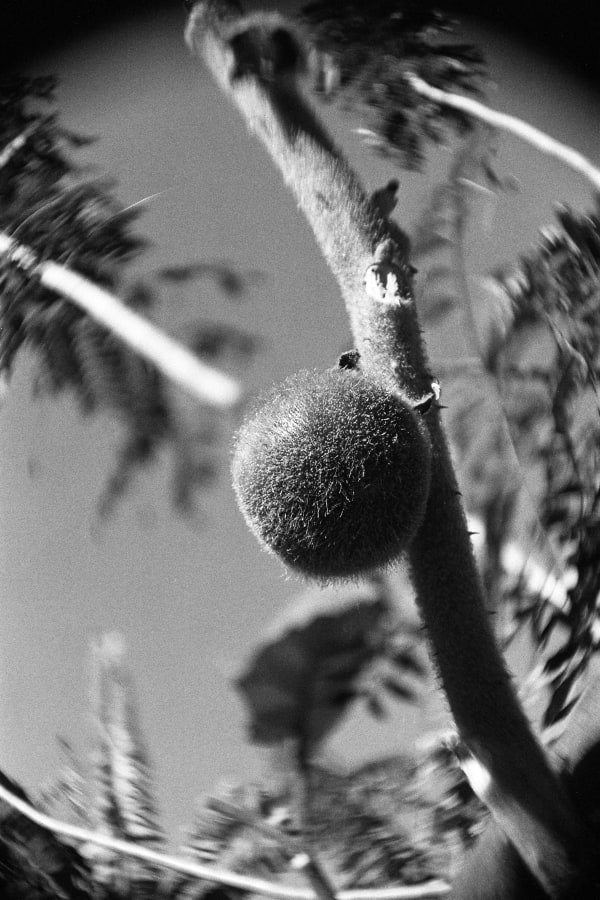


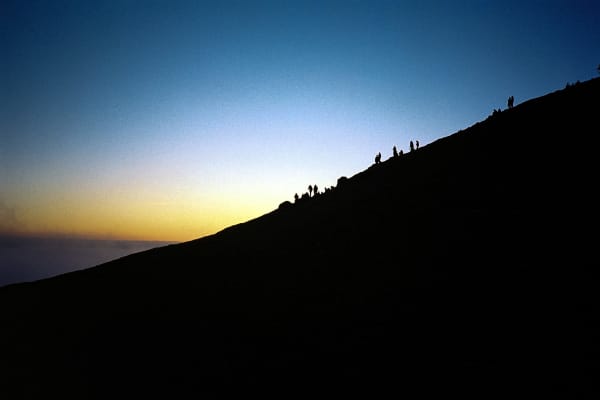
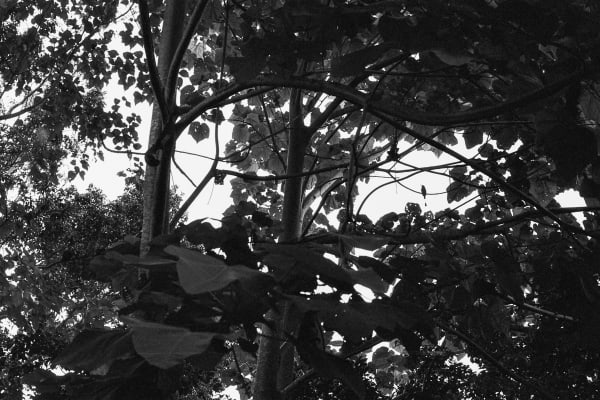


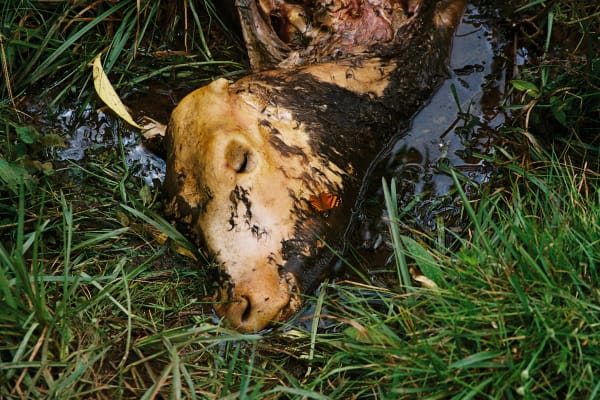
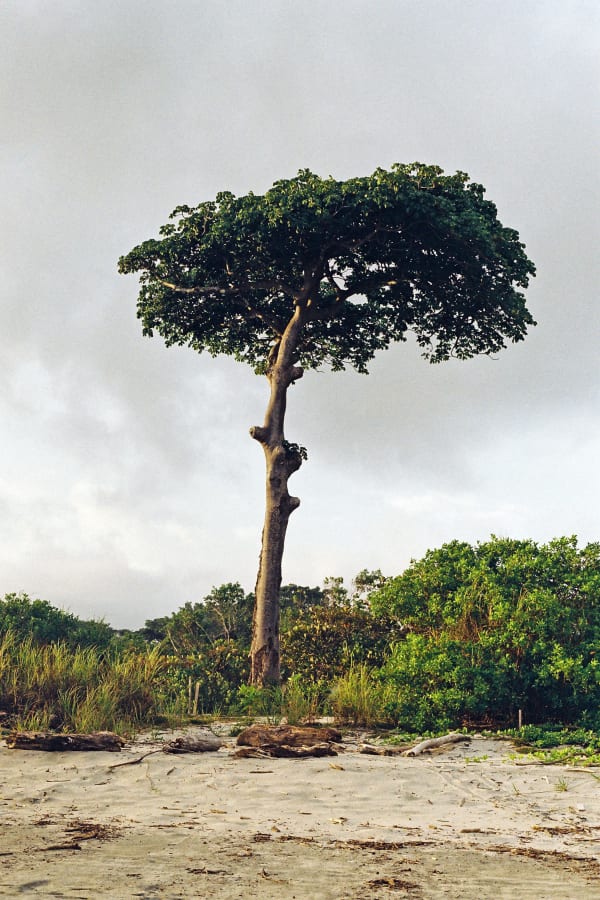
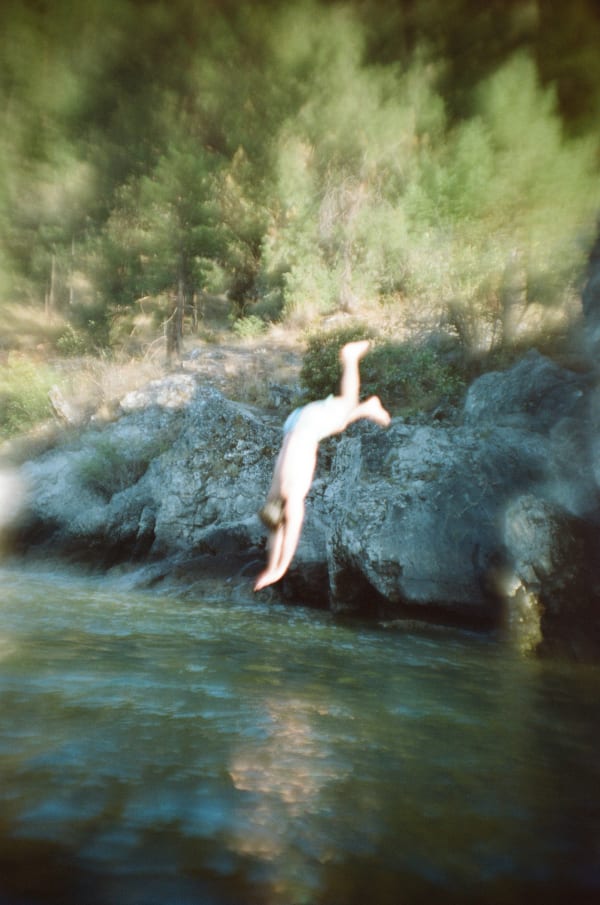
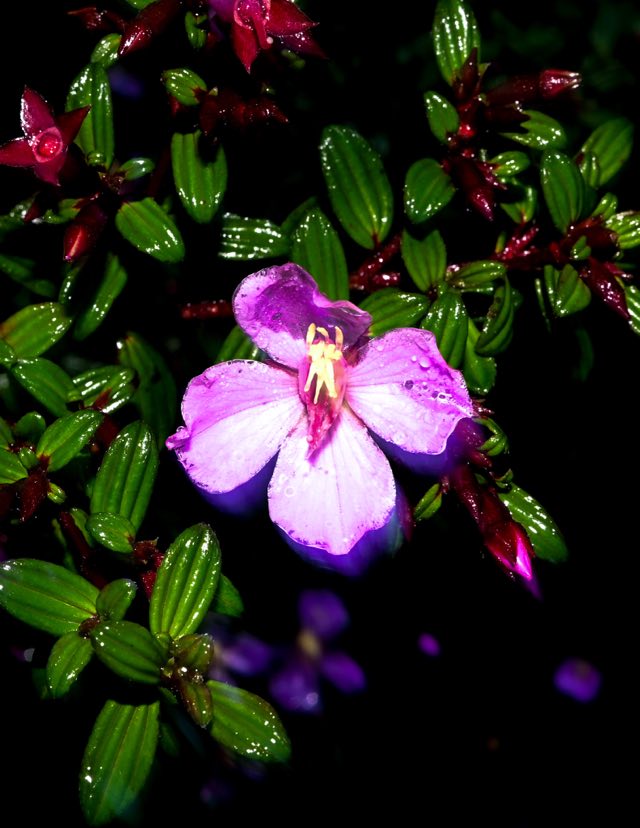
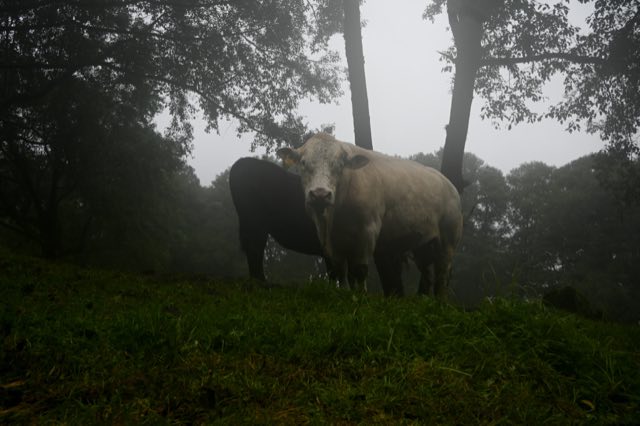
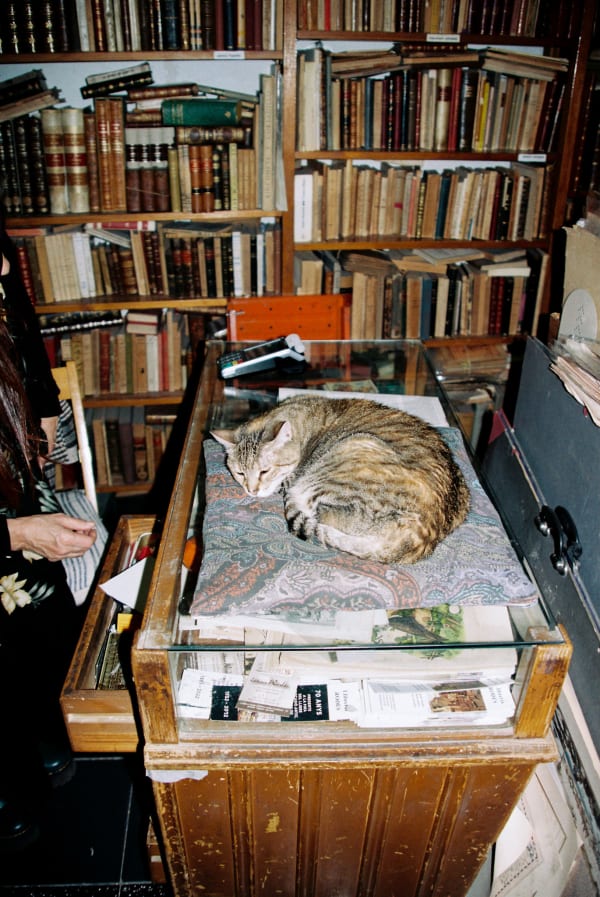
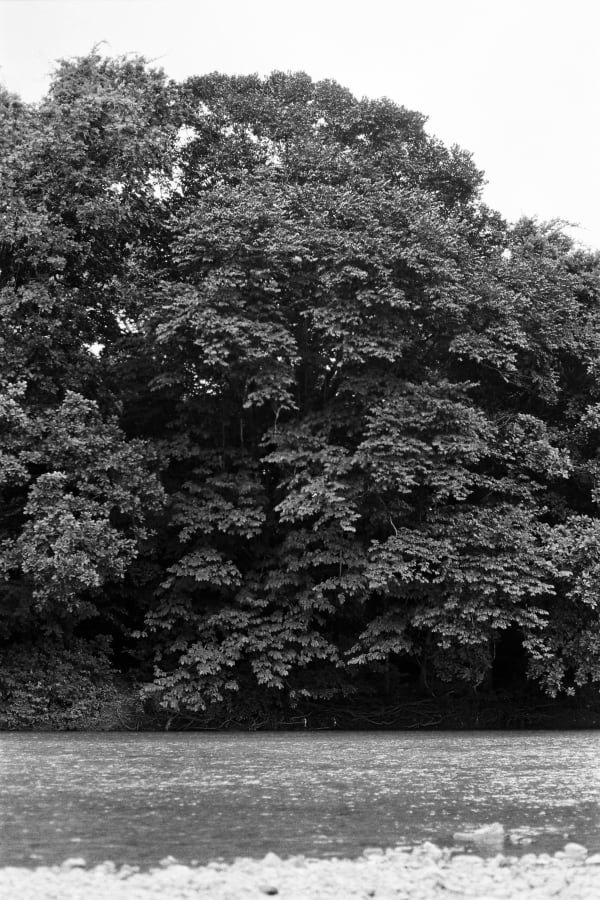
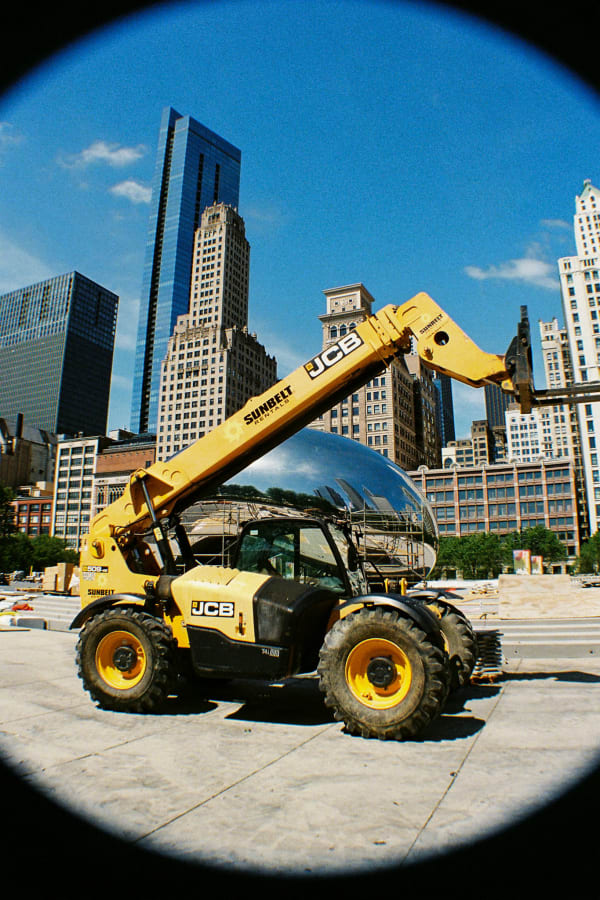
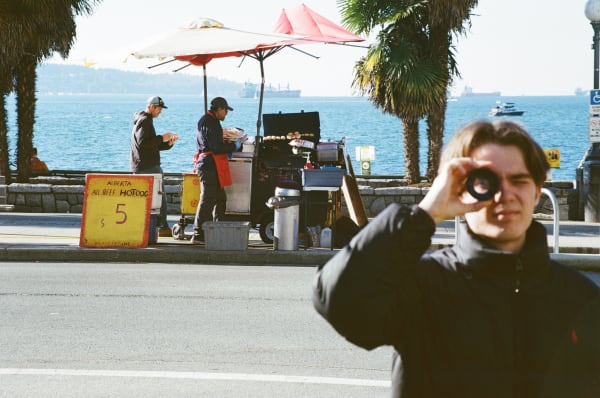
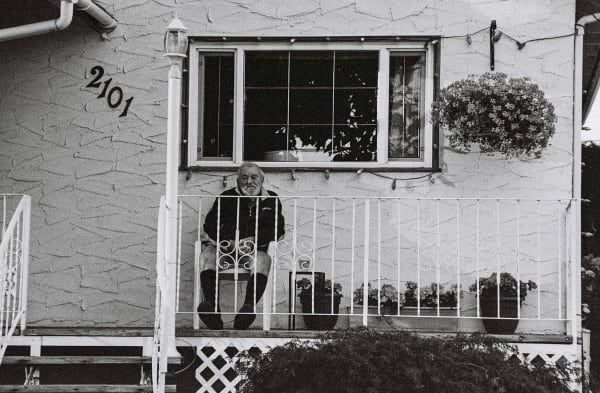
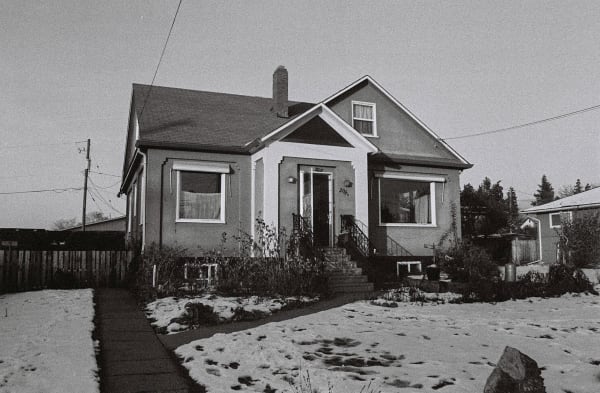
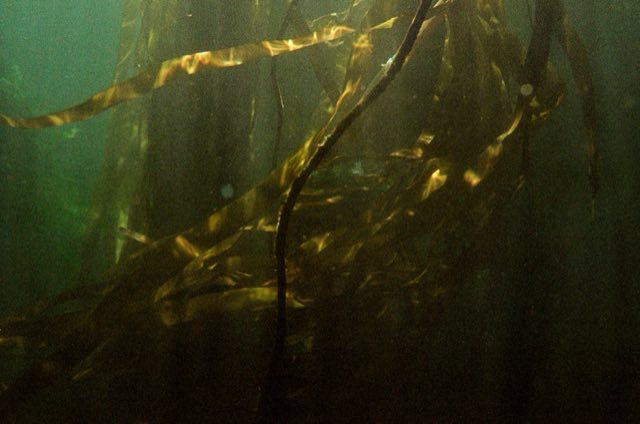
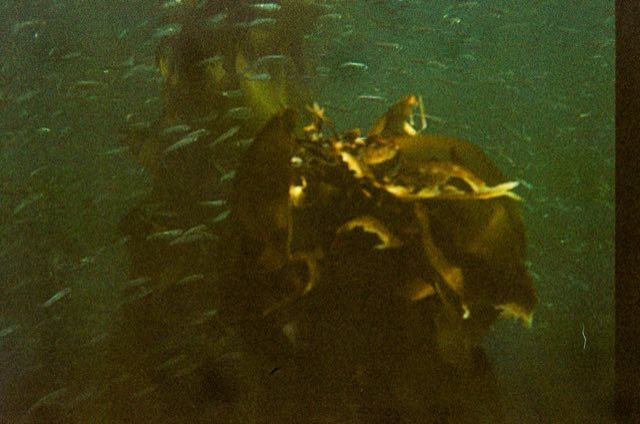
Septiembre 2026, un rollo por carpeta: Alberta y su río, ojo de pez y charcos, y Victoria con la Nikonos metida entre el kelp.September 2026, one roll per folder: Alberta and its river, fisheye and puddles, and Victoria with the Nikonos down in the kelp.
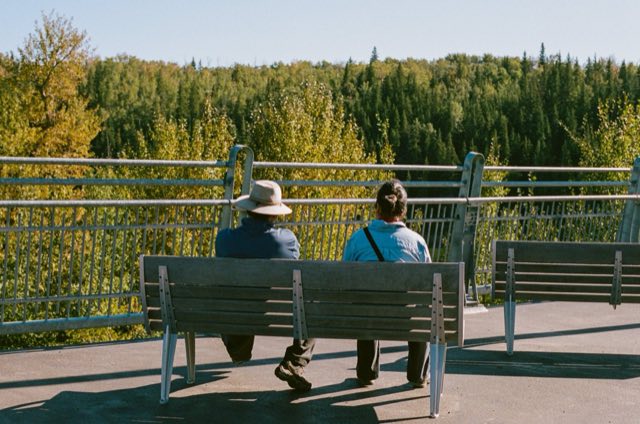
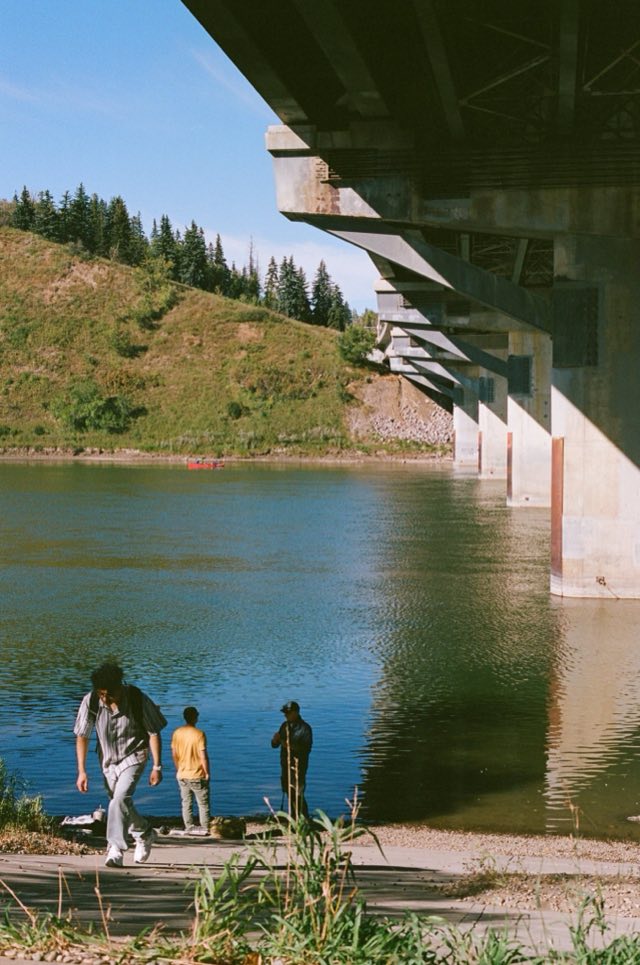
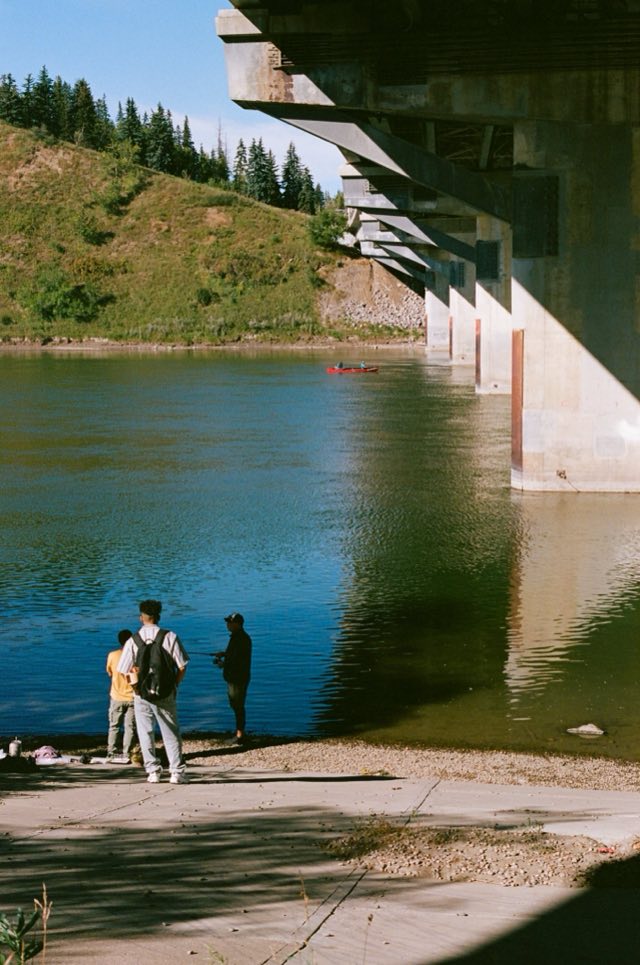

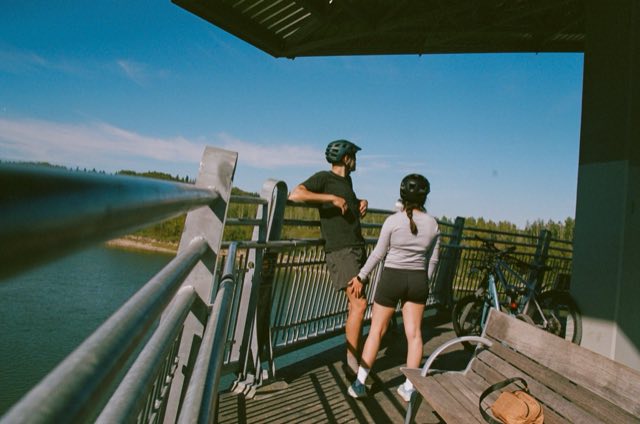

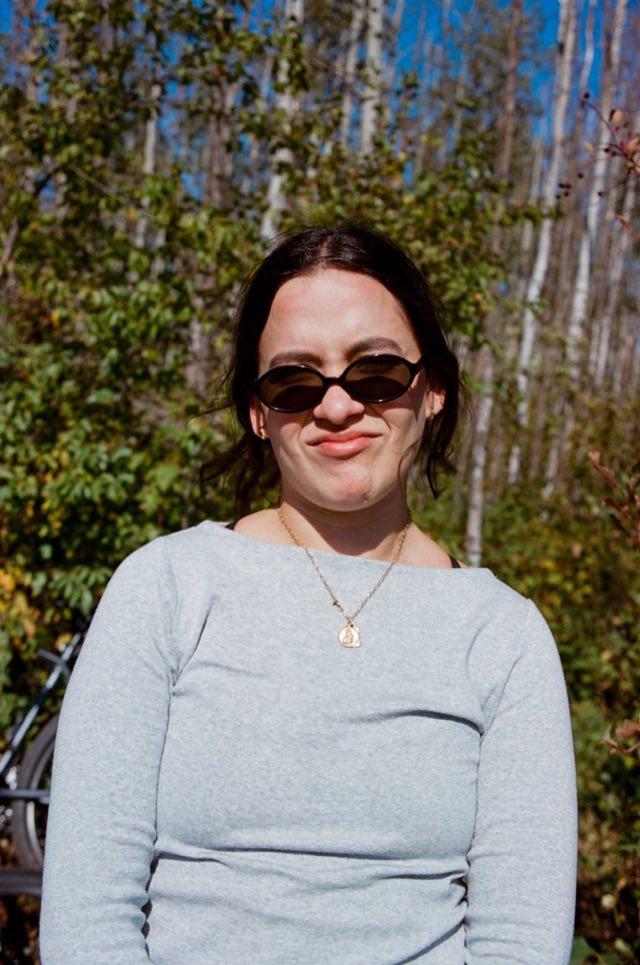
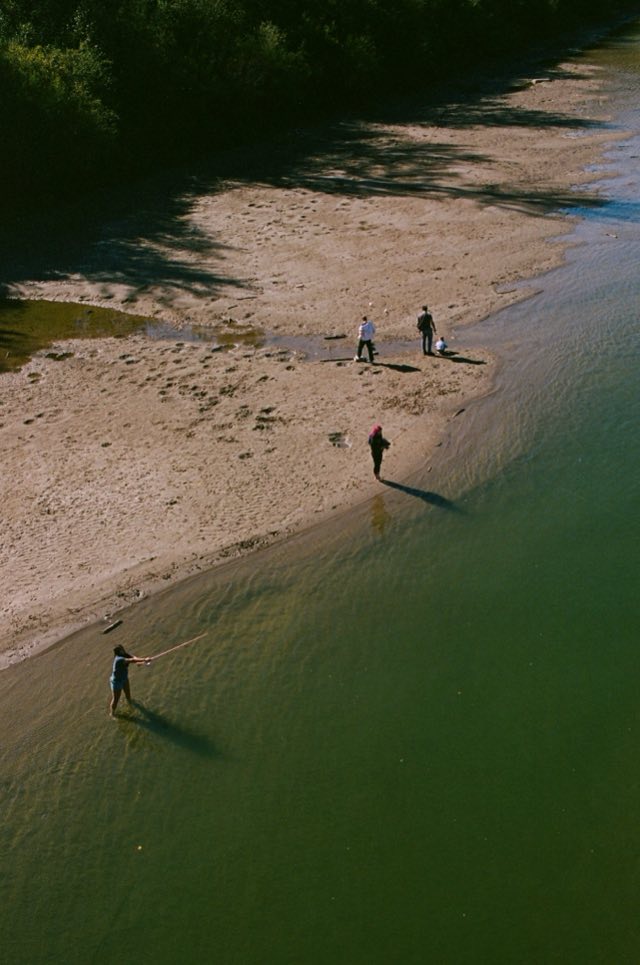
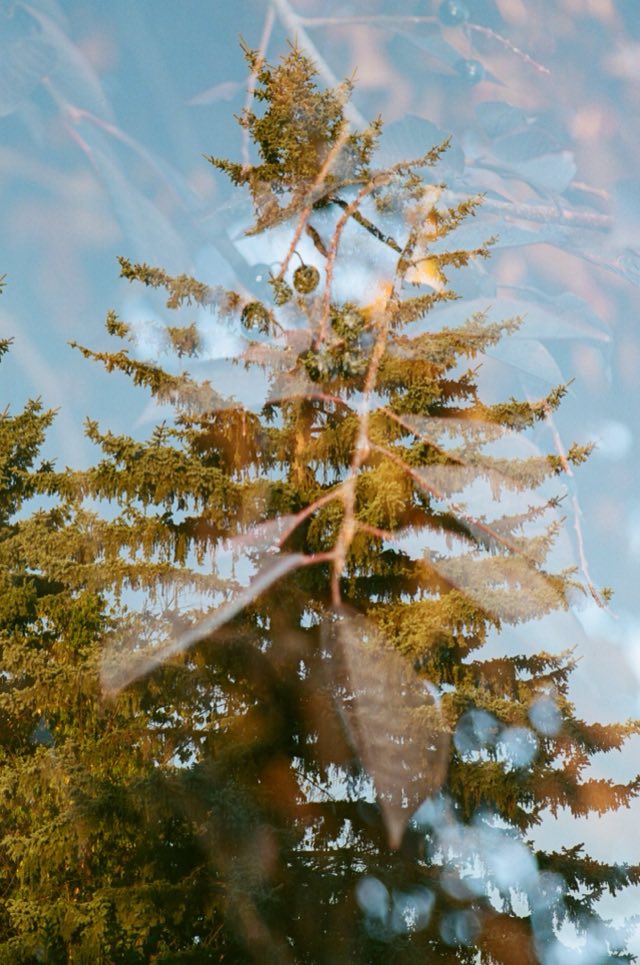
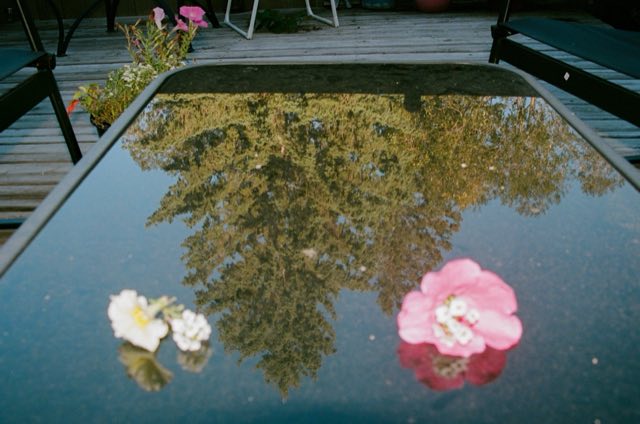
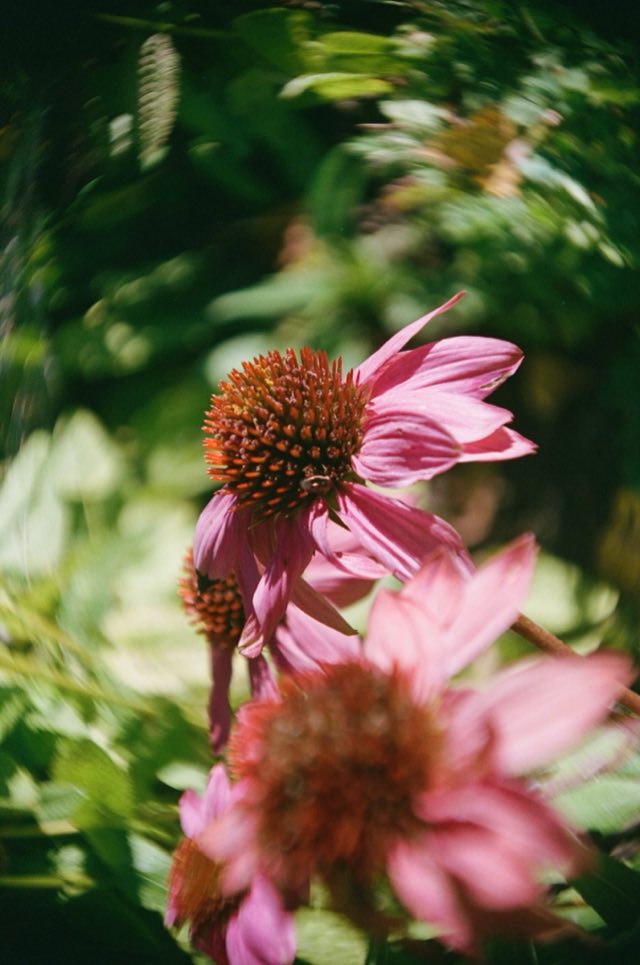

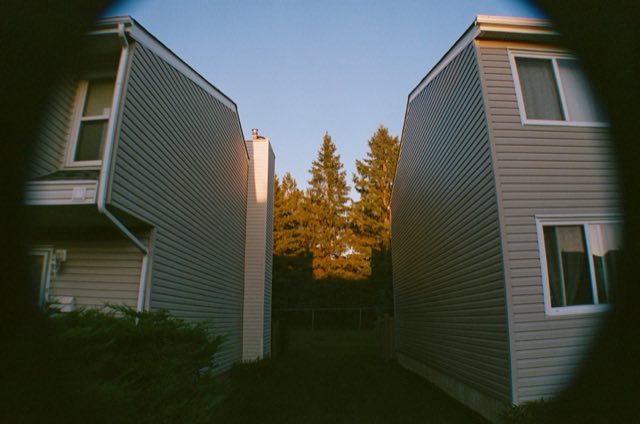
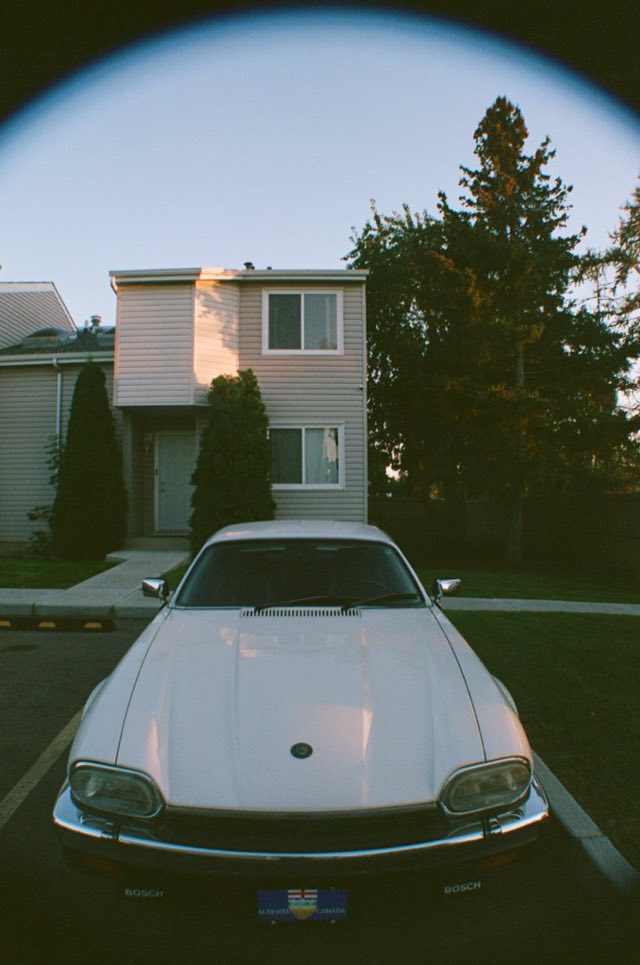
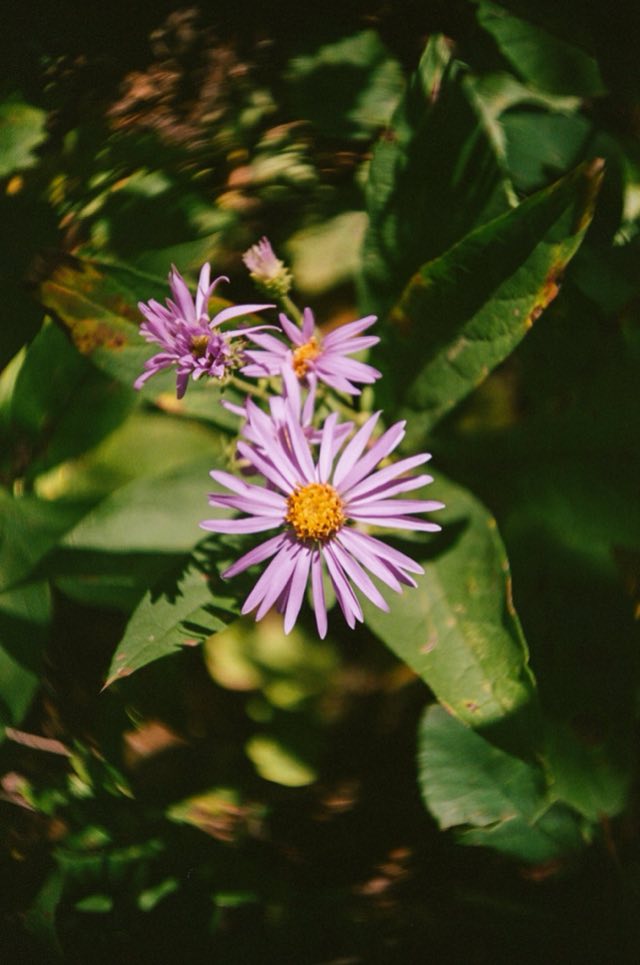
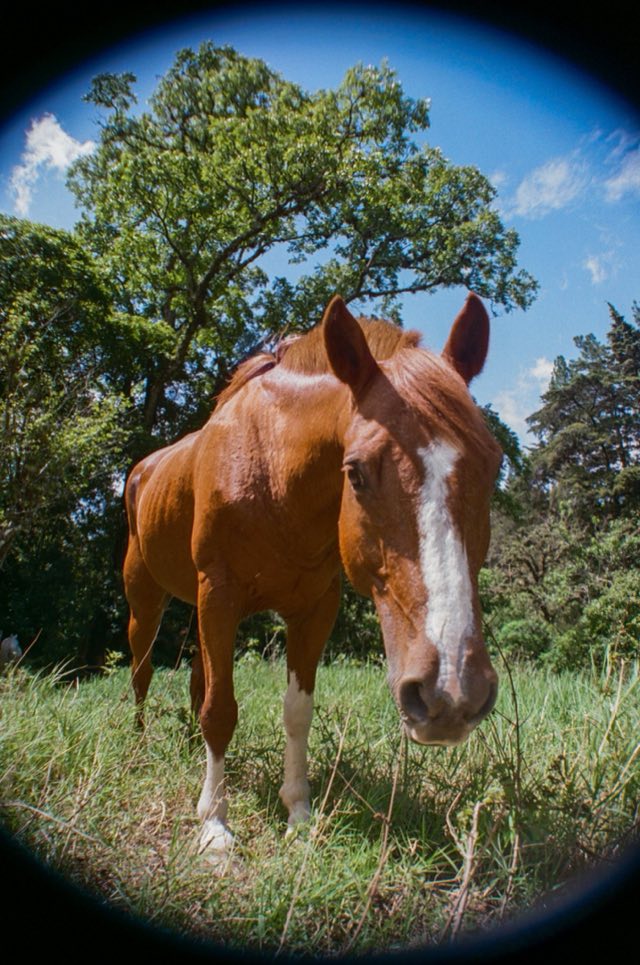
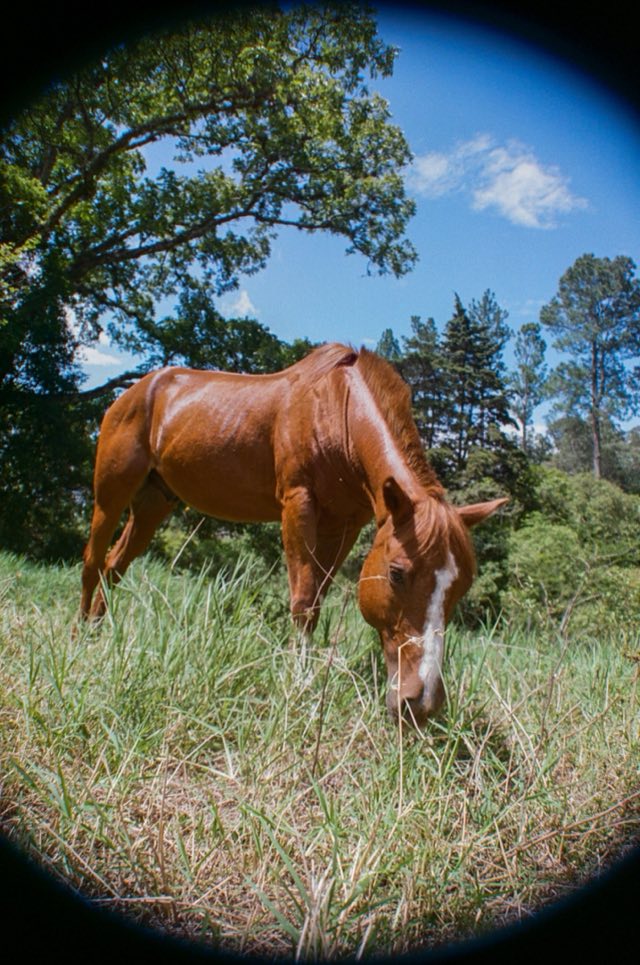
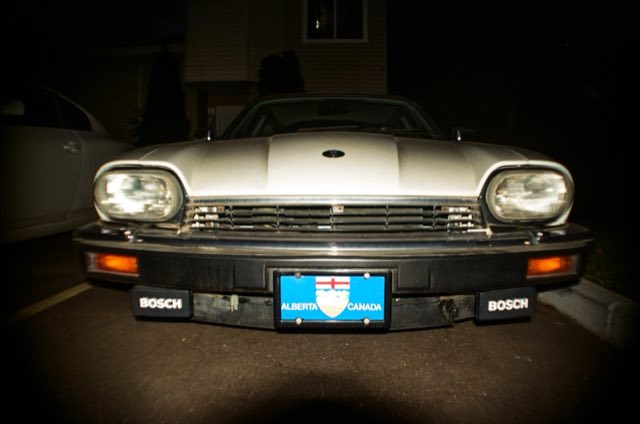
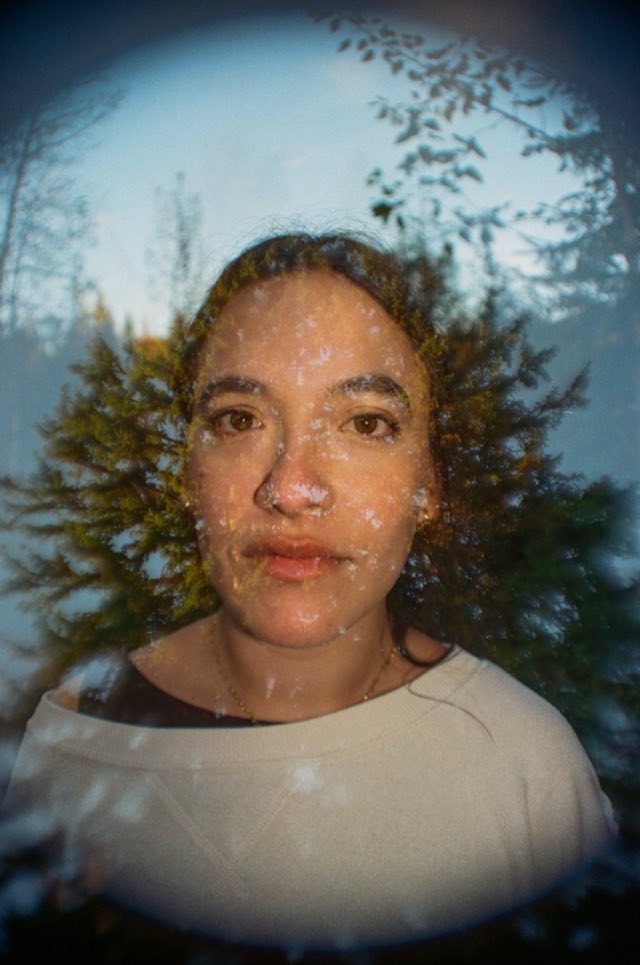
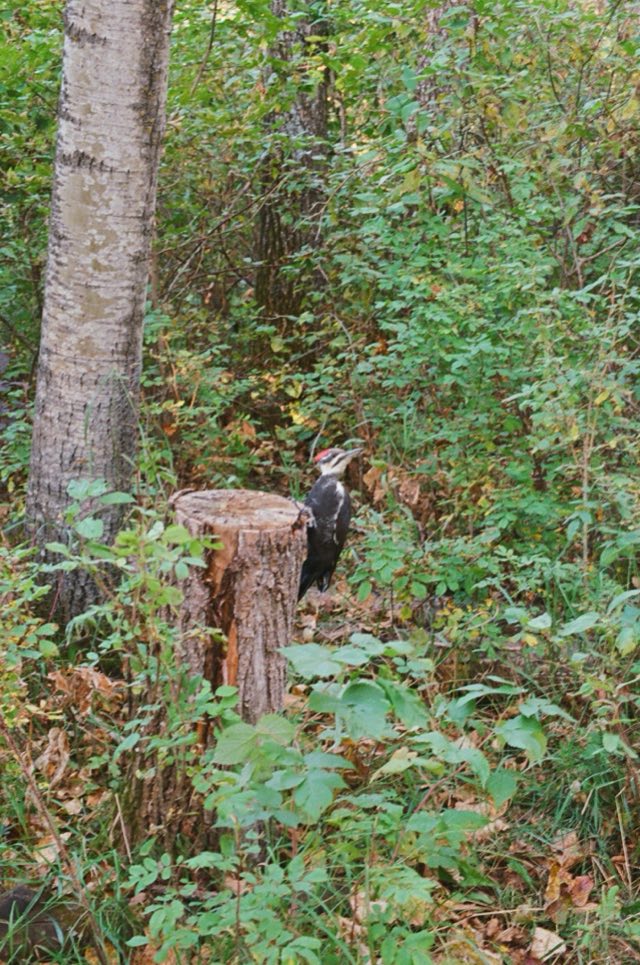
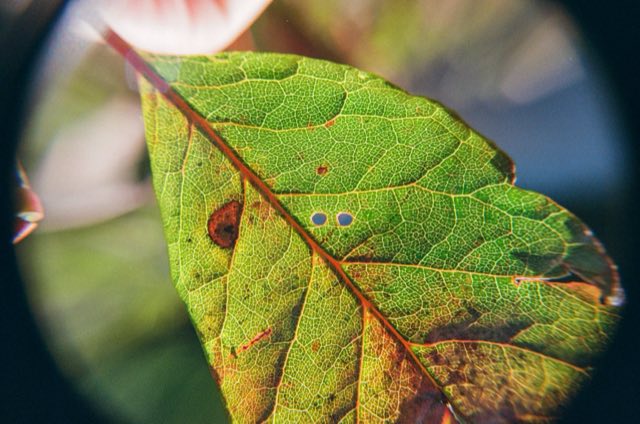
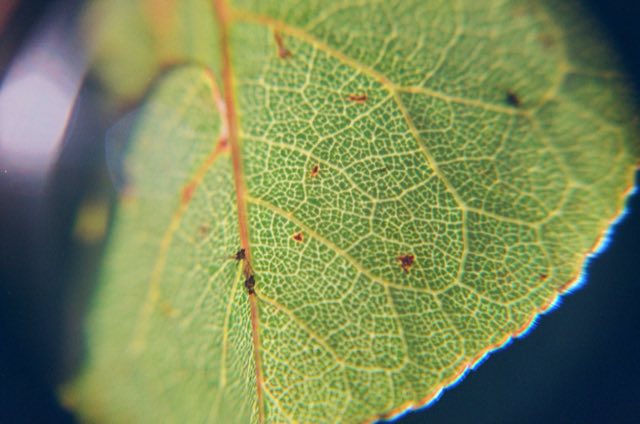
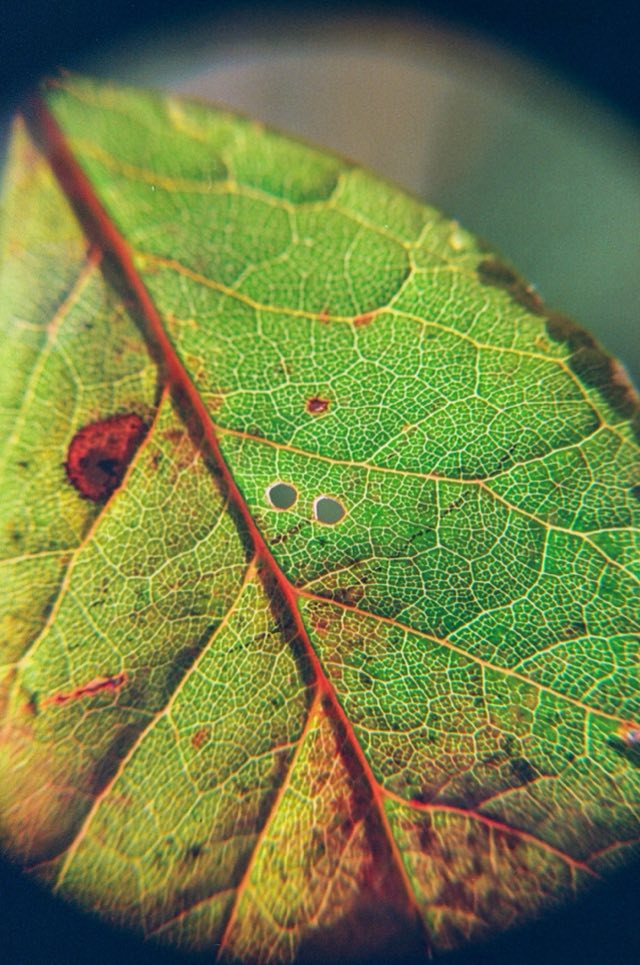
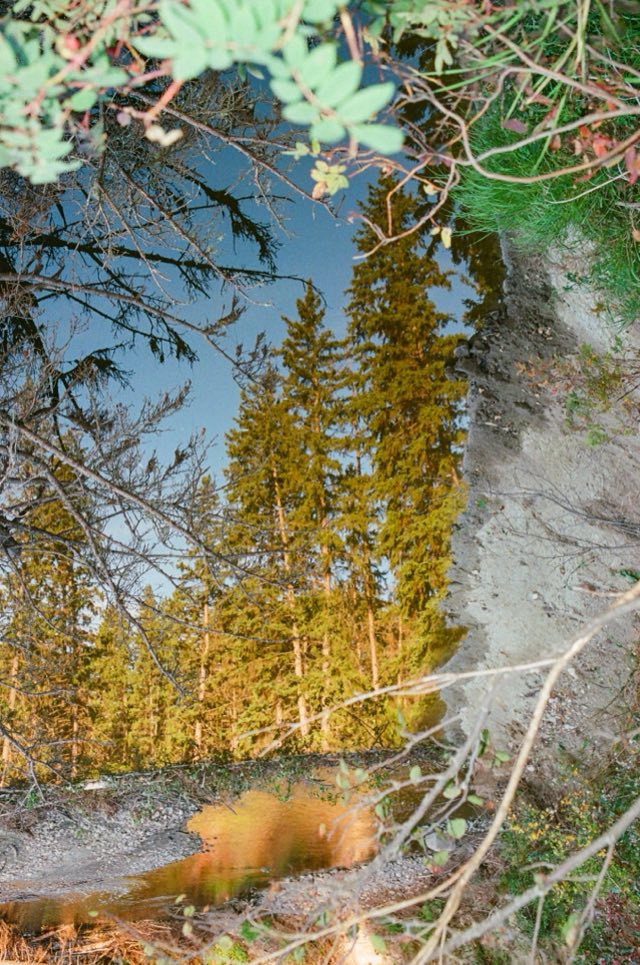
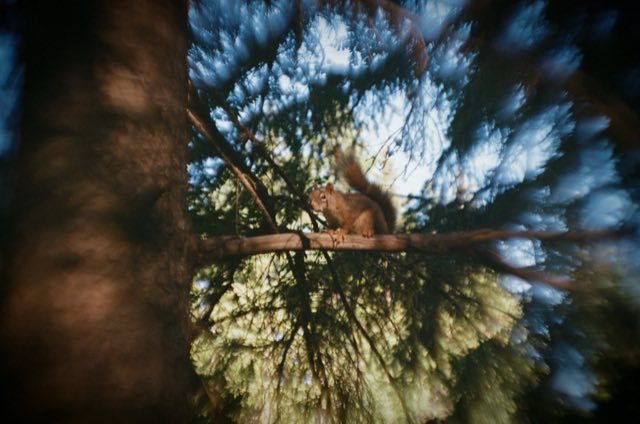
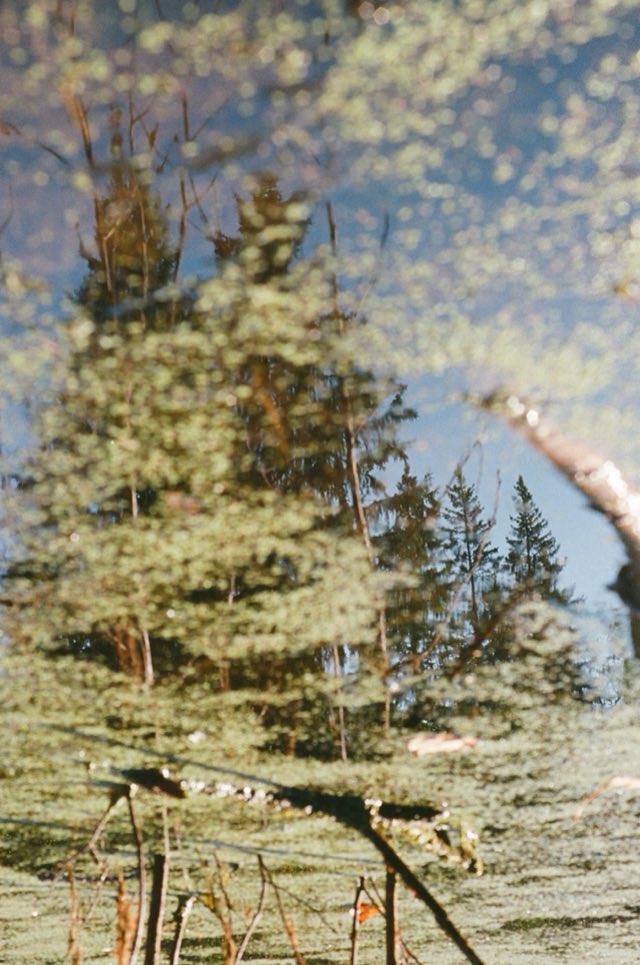






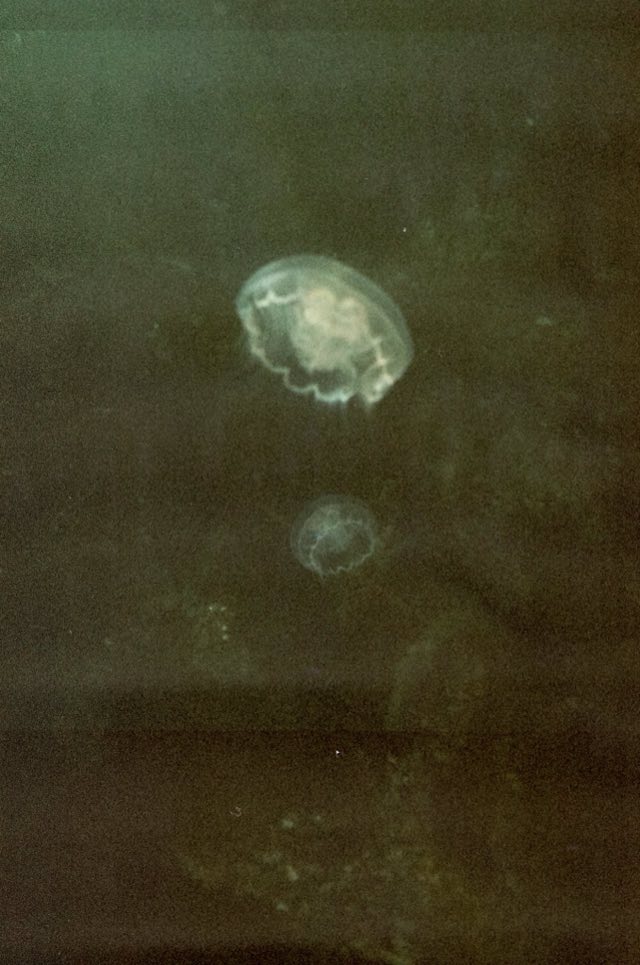
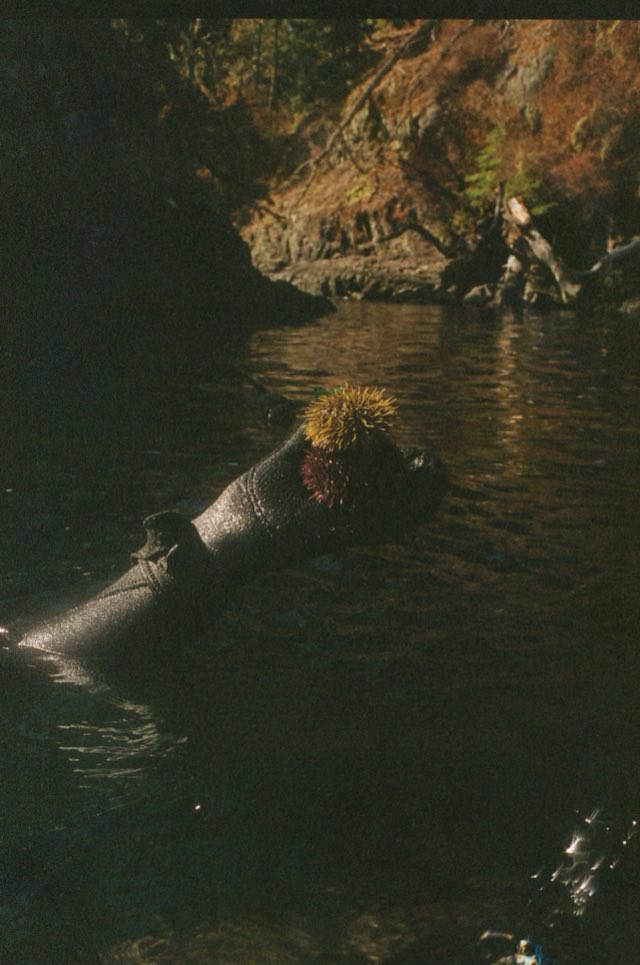
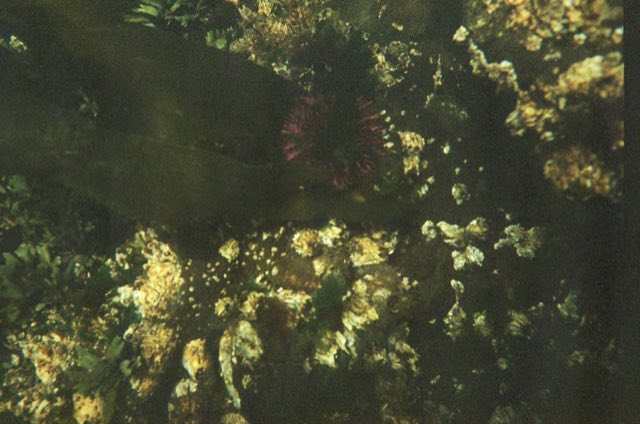
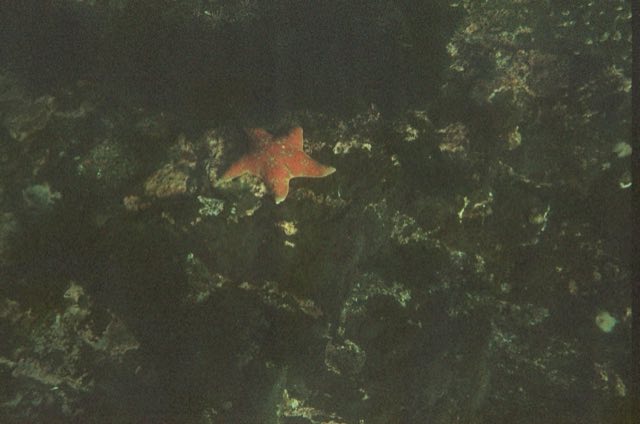


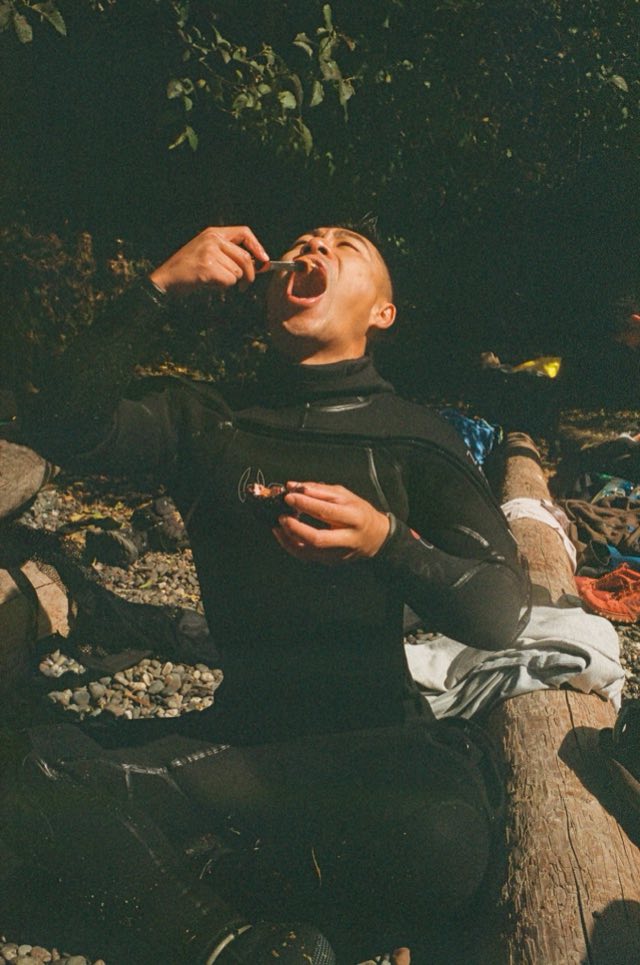

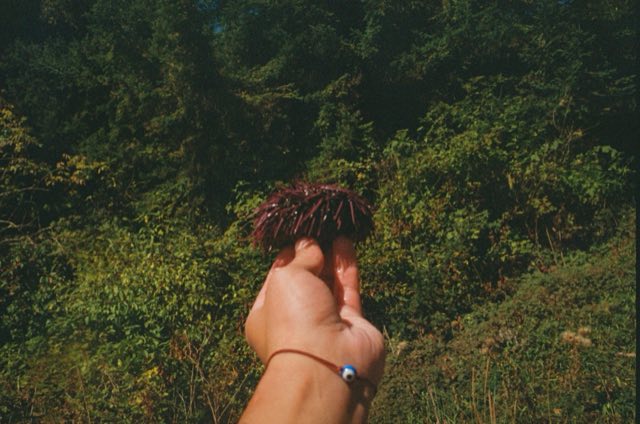
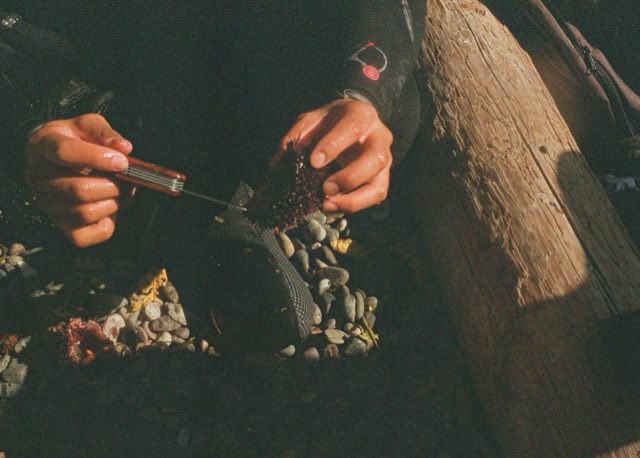
La sección a la que más tiempo le he metido este año, y donde están varias de mis favoritas.
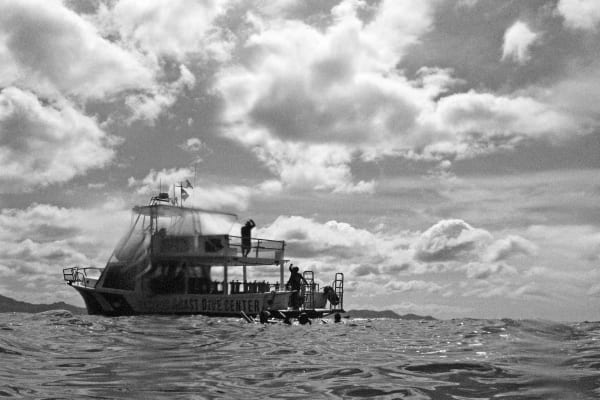
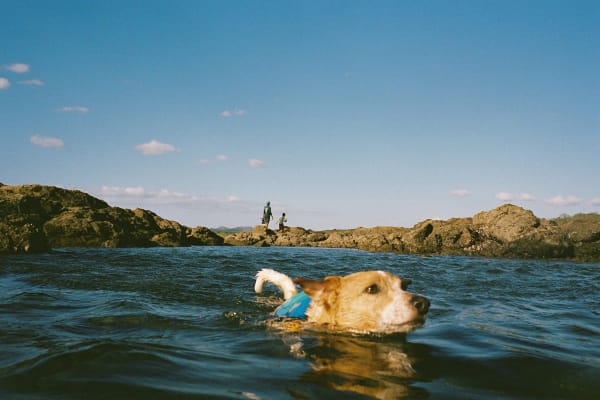
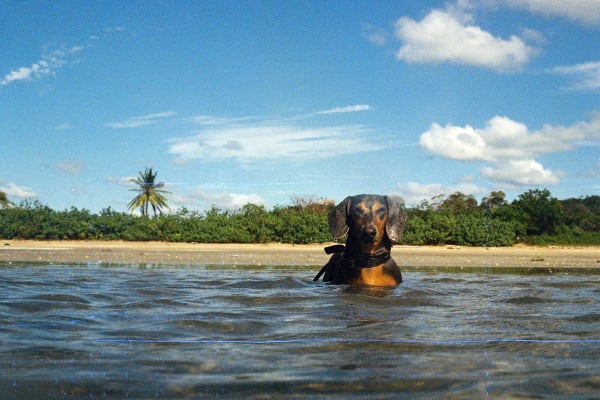
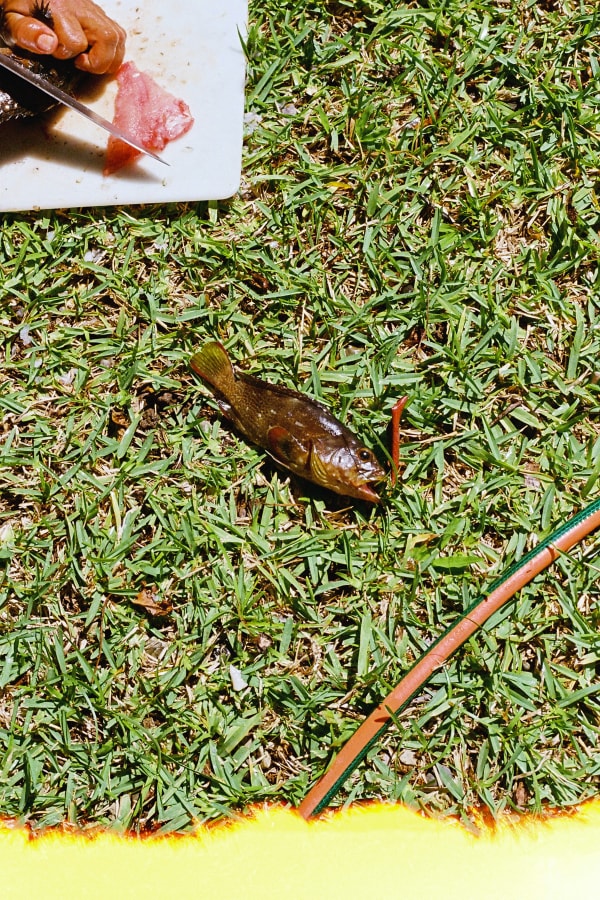
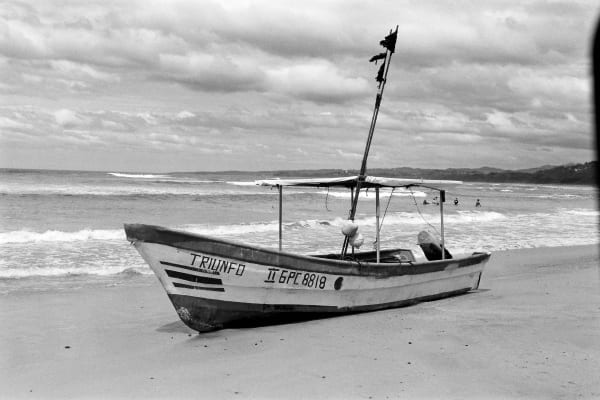
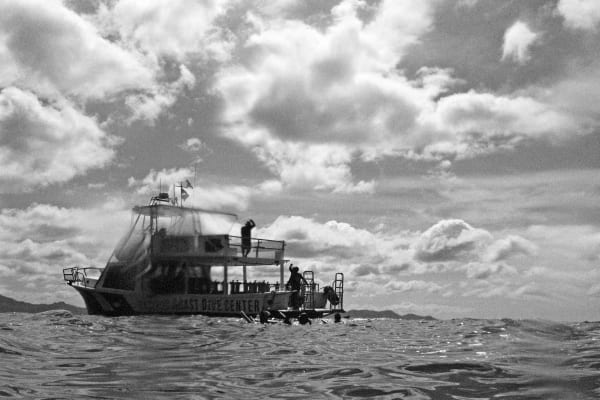
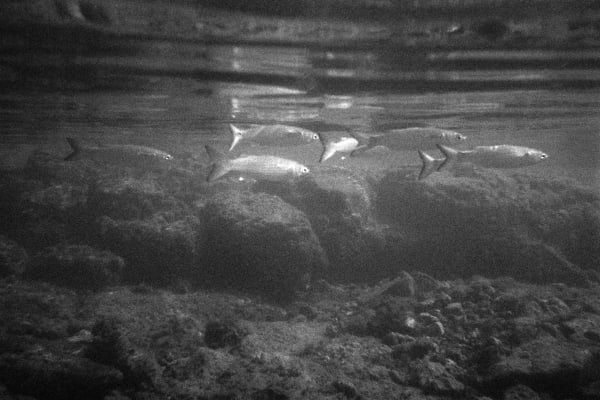
Hace poco más de un año conseguí una Nikonos en eBay y empecé a fotografiar cerca del mar, y adentro. Va dividida en color y blanco y negro porque la vibra cambia completa.
The section I’ve put the most time into this year, and home to several of my favorites.
A little over a year ago I got a Nikonos on eBay and started shooting near the sea, and in it. Split into color and black & white because the vibe changes completely.








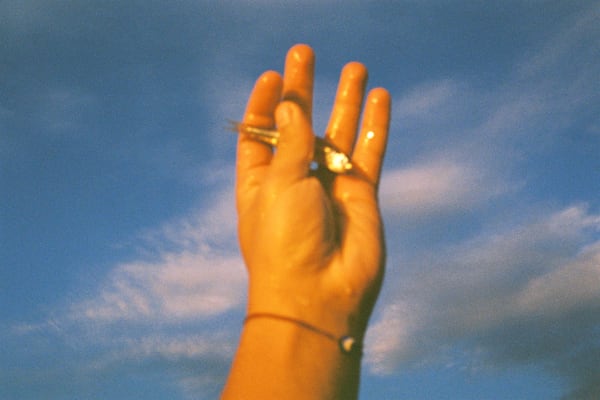





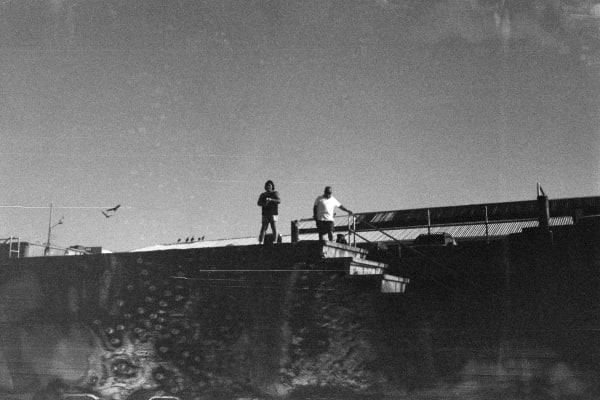




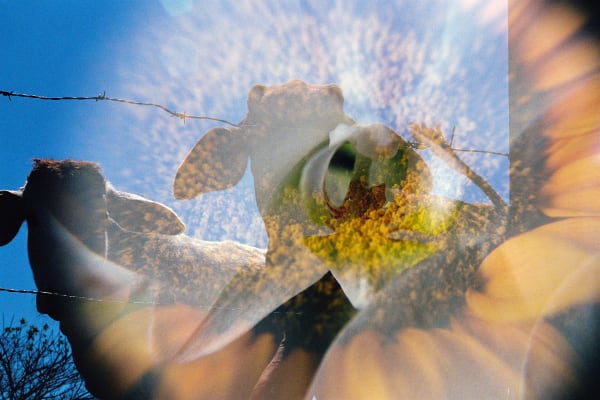
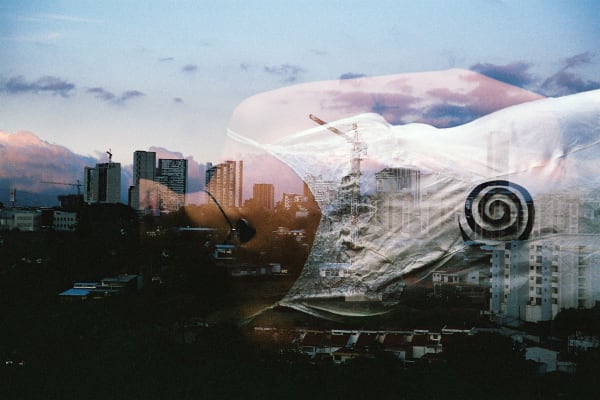
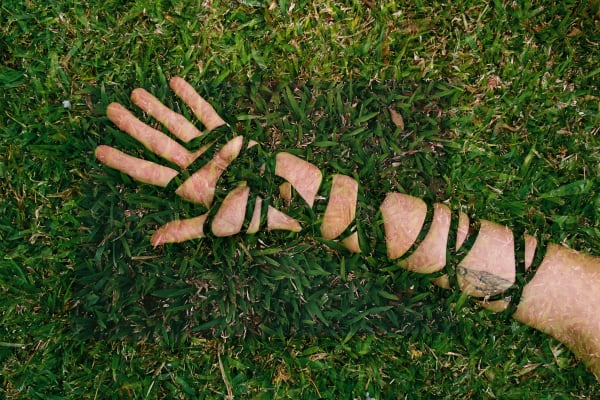
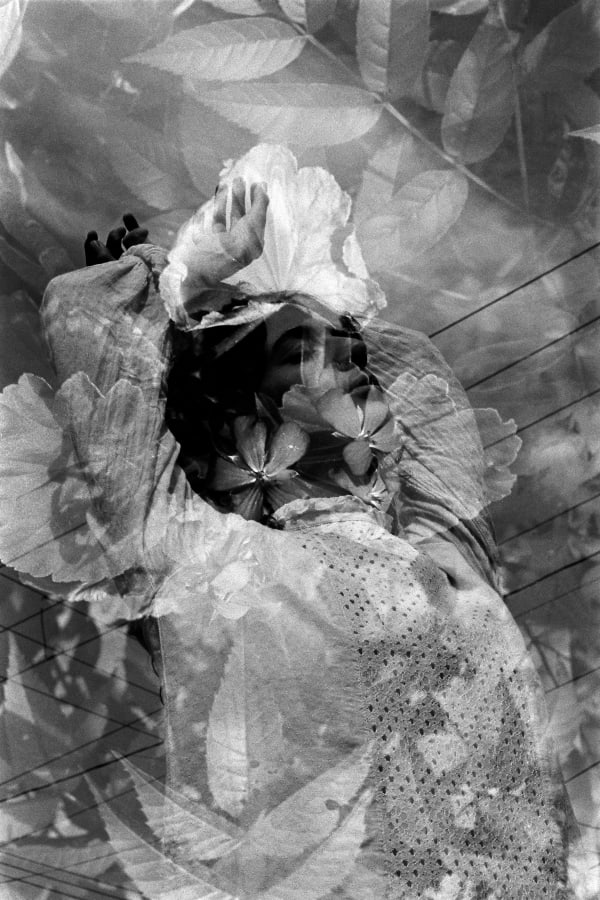
Esta serie son exposiciones múltiples que mezclan personas con paisajes. La mayoría de las fotos las tomamos entre San José y Cartago, Costa Rica.
Fotografía, dirección y modelaje:
Juliana Quesada
& Esteban Pérez
This series is multiple exposures that mix people with landscapes. Most of the photos were taken between San José and Cartago, Costa Rica.
Photography, direction and modeling:
Juliana Quesada
& Esteban Pérez


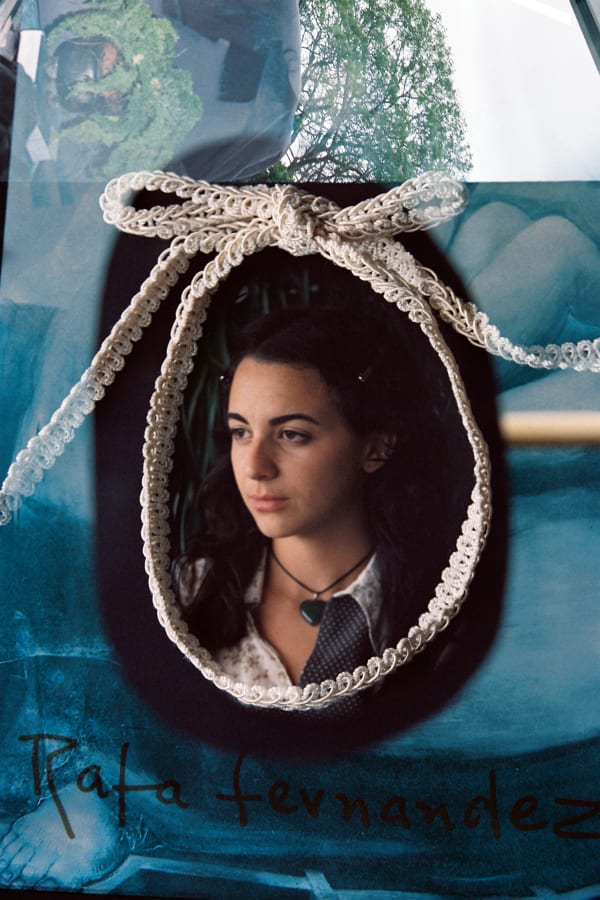










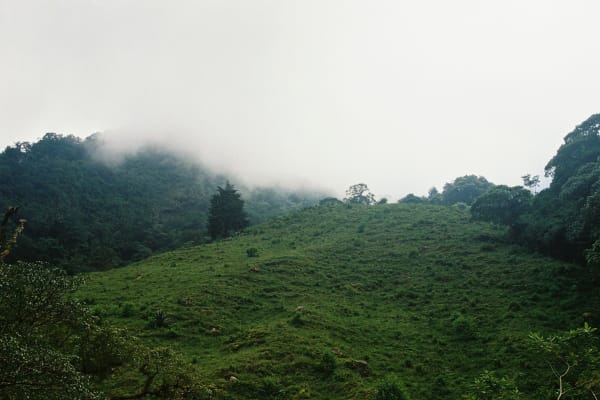
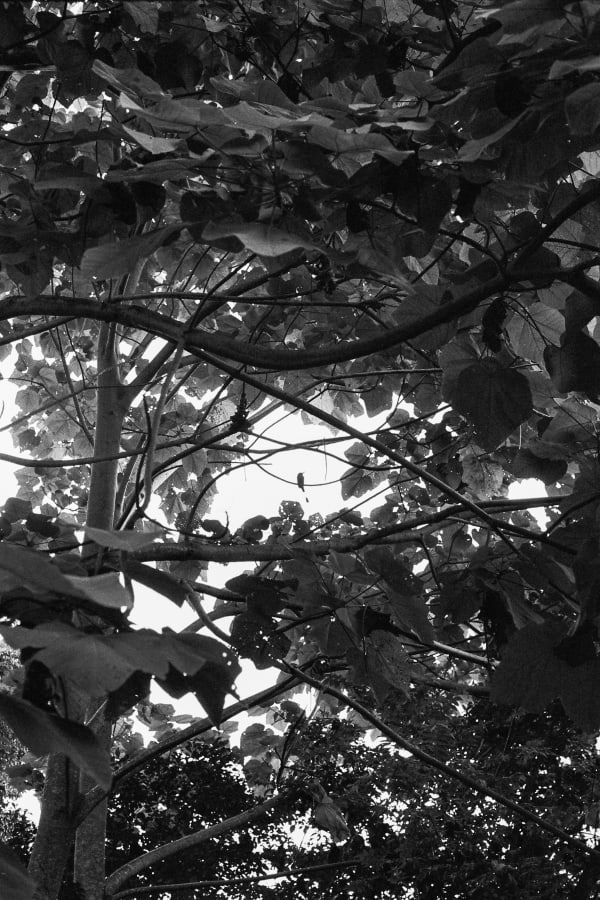
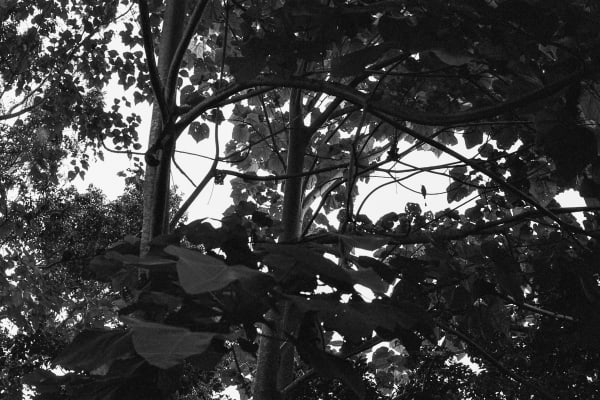


Esta sección todavía hay que limpiarla, pero esto es un preview de cosas que han salido.This section still needs a cleanup, but this is a preview of what has come out so far.

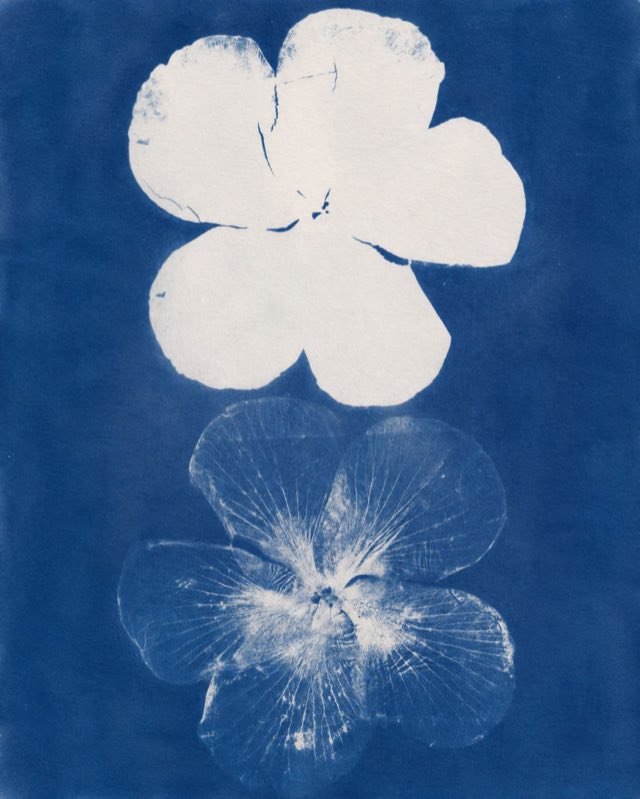
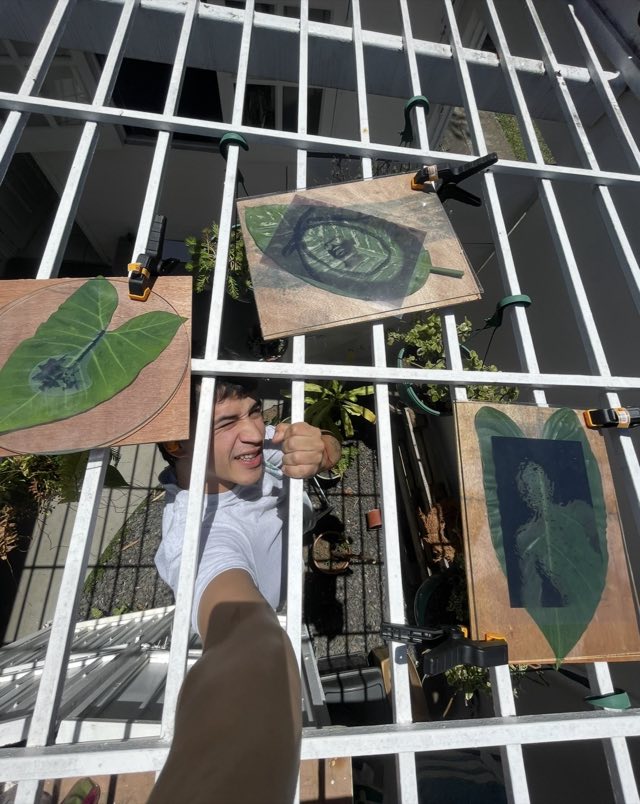
Pronto escaneo bien las clorotipias que he hecho y las subo acá. Por ahora, un preview de los experimentos.Soon I will properly scan the chlorotypes I have made and upload them here. For now, a preview of the experiments.














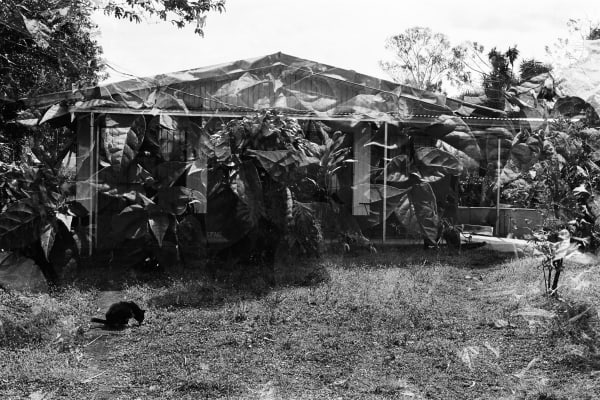


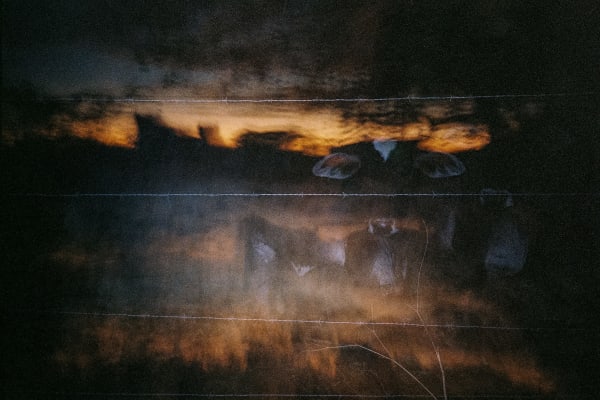
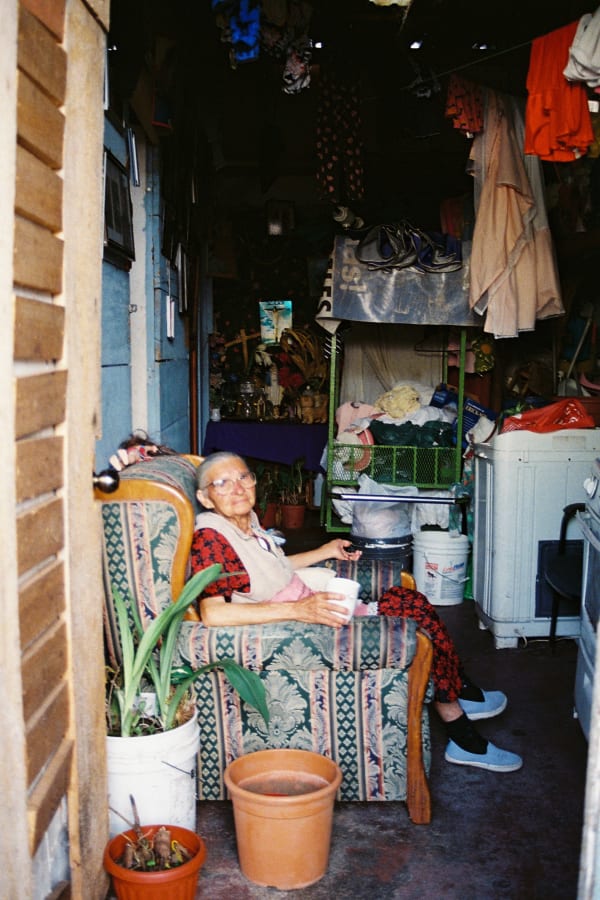
Doña Eida, con 84 años, se para todos los días en el puente en la entrada del pueblo de Escazú, de 6:00 a.m. hasta que caiga la primera gota de lluvia. Sostiene trapitos de cocina con estampas de vegetales en una mano y, en la otra, una bolsa con mangos. Pone sus plantas en el piso y le pide a Dios que haya buena venta.
Cada persona que pasa a saludarla le dice “abuela”. La abraza con cariño, le intercambian una sonrisa y le pregunta cómo está.
Su forma de vestir es excesiva: capas de telas cosidas a mano, estampados, colores, flores, medias, pañuelos, sombreros, baberos. Todo al mismo tiempo. Todo entrelazado. Una trenza con una cinta blanca. Unas manos suaves dentro de un delantal rosado.
Con un solo saludo se abre su universo saturado de historias de la calle, consejos de plantas y de relaciones.
Doña Eida marca en su calendario el martes menguante para cortar plantas, aprovechando la magia lunar. Antes de dejar su trabajo se despide del guarda del centro comercial al lado de donde se para a trabajar. Suelta algunos chistes y lo abraza. Él es quien le pide el taxi cuando empieza a lloviznar.
Devuelve su silla al Fresh cruzando la calle como todos los días, donde los guardas la bautizaron como “Perlita”. Mete dos plantas en un bolso de tela, tres mangos en otro y el menudo que le dieron en el delantal.
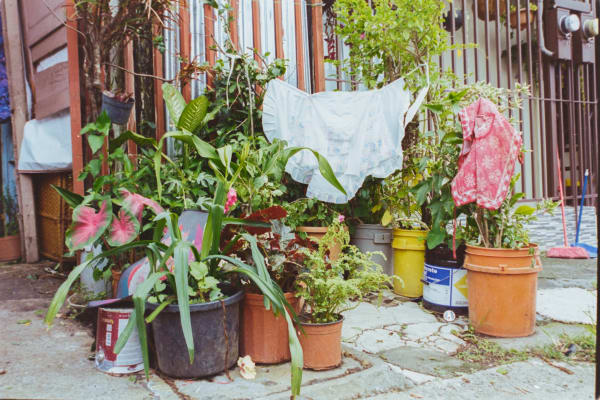
La entrada de su casa está enmarañada entre plantas. Lo que a simple vista parece monte rápidamente se convierte en el más exquisito vivero. Empieza a sacar cebolla, camote, lirios y matas que solo tiene ella, porque a ella “le pega todo”.
Hay que usar la ruda para la virtud, pero dejarla lejos de la gente envidiosa. El romero para la abundancia. Una flor rosa en la entrada.
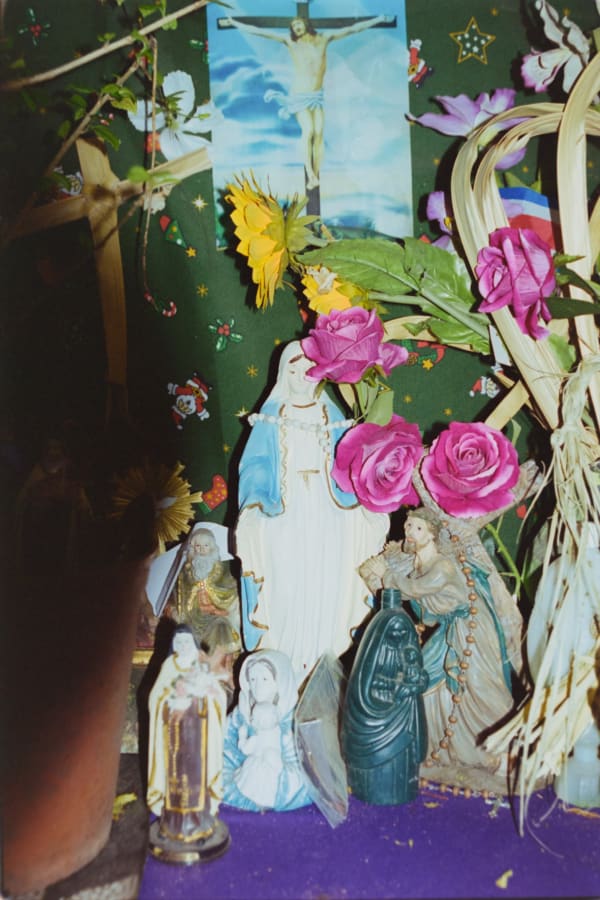
Entre juguetes de niños y ropa colgada reposa un altar de la virgen al fondo de su casa. Imágenes religiosas, flores plásticas, fotos de Jesús, esculturas de apóstoles, candelas y un mantel verde con melcochas y Santas.
Su casa se la regalaron, luego se quemó, y fue arreglada. Sus nietos algunos viven con ella y otros no. La vecina la acusa con sus hijos si sale muy temprano. Sus hijos la encierran en su cuarto cuando está enferma para que no se vaya a la calle a trabajar. Porque si se despiertan muy tarde, doña Eida ya se habrá escapado.
Mujer que nunca dejó de trabajar. Vendió pipa fría, galleta suiza, pupusa, mango, tamal. Trabajó durante años en el asilo de ancianos, donde todavía le guardan un lugar, por si lo llegara a necesitar.
Pero su lugar real está en la calle, en su silla, en el puente, todos los días, esperando a que la gente pase para vacilar.
Doña Eida, at 84 years old, stands every day on the bridge at the entrance of a small town called Escazú, from 6:00 a.m. until the first drop of rain falls. She holds kitchen cloths with vegetable prints in one hand and, in the other, a bag of mangoes. She sets her plants on the ground and asks God for good sales.
Every person who passes by greets her as “abuela.” They hug her with affection, exchange a smile, and ask how she’s doing.
Her way of dressing is excessive: layers of hand-sewn fabrics, prints, colors, flowers, stockings, scarves, hats, bibs. All at the same time. All intertwined. A braid with a white ribbon. Soft hands inside a pink apron.
With a single greeting, her universe opens, saturated with stories from the street, plant advice, and relationship counsel.
Doña Eida marks the waning Tuesday on her calendar to cut plants, harnessing the lunar magic. Before leaving her spot, she says goodbye to the security guard at the shopping center next to where she works. She cracks a few jokes and hugs him. He’s the one who calls her a taxi when it starts to drizzle.
She returns her chair to the Fresh across the street like every day, where the guards have nicknamed her “Perlita.” She puts two plants in a cloth bag, three mangoes in another, and the small change from the day in her apron.
The entrance to her house is tangled in plants. What at first glance looks like weeds quickly becomes the most exquisite nursery. She starts pulling out onion, sweet potato, lilies, and plants that only she has, because everything “takes” for her.
You must use rue for virtue, but keep it away from envious people. Rosemary for abundance. A pink flower at the entrance.
Among children's toys and hanging clothes rests an altar to the Virgin at the back of her house. Religious images, plastic flowers, photos of Jesus, sculptures of apostles, candles, and a green tablecloth with sweets and Saints.
Her house was given to her, then it burned down, and was repaired. Some of her grandchildren live with her and others don’t. The neighbor reports her to her children if she leaves too early. Her children lock her in her room when she’s sick so she won’t go out to work on the street. Because if they wake up too late, Doña Eida will have already escaped.
A woman who never stopped working. She sold cold coconut water, Swiss cookies, pupusas, mangoes, tamales. She worked for years at the elderly care home, where they still keep a spot for her, just in case she ever needs it.
But her real place is on the street, in her chair, on the bridge, every day, waiting for people to pass by and have a good time.
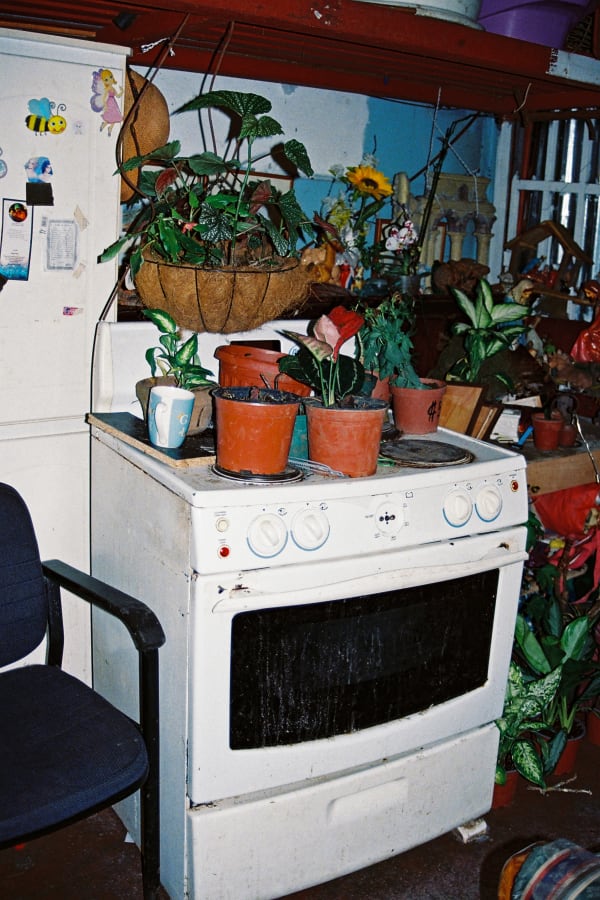


Las fotos con las que me enganché a la fotografía, con una cámara digital vieja que encontré en el clóset de mi papá.
Fotografiaba lo que me llamaba y tocaba los ajustes hasta entender qué me gustaba. Hoy ando más en el rollo, pero sin esta etapa no habría aprendido tan rápido.
The photos that got me hooked on photography, shot on an old digital camera I found in my dad’s closet.
I shot whatever caught my eye and messed with the settings until I knew what I liked. These days I’m more into film, but this stage is how I learned fast.
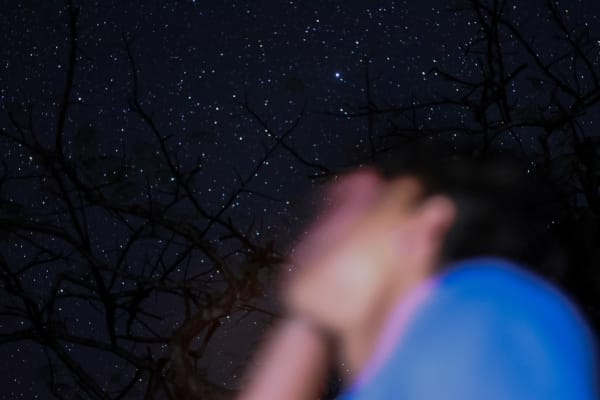


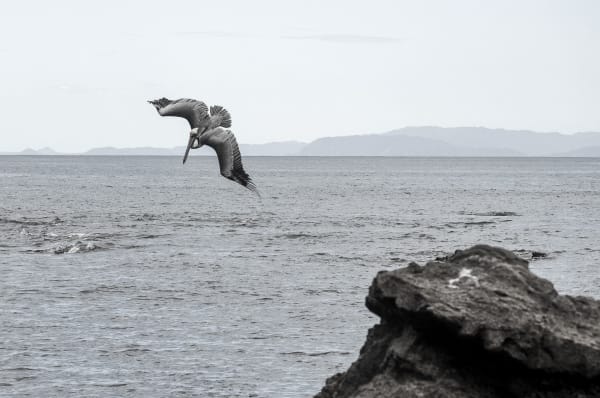
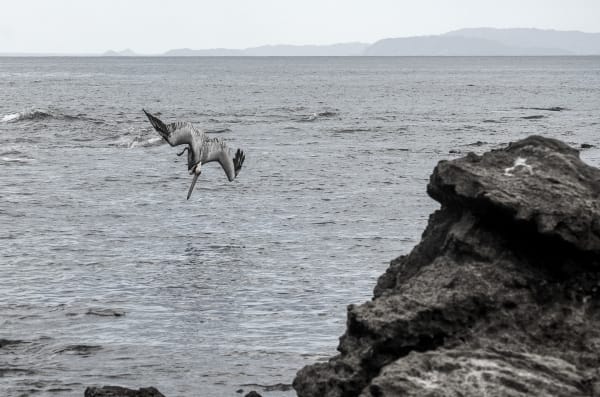
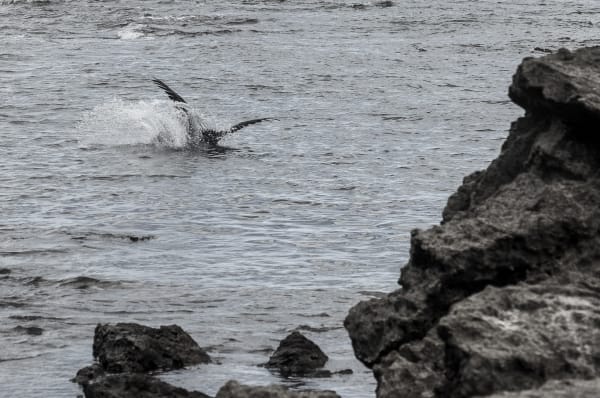







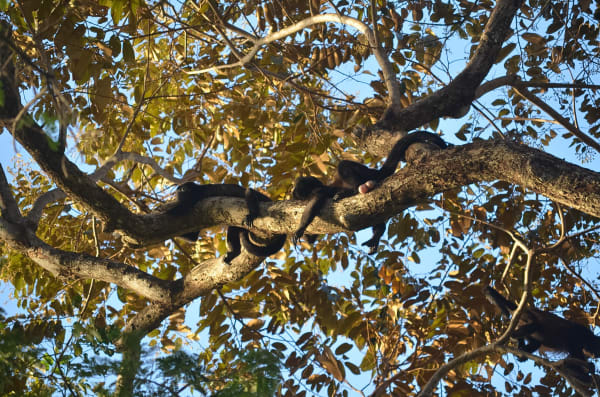

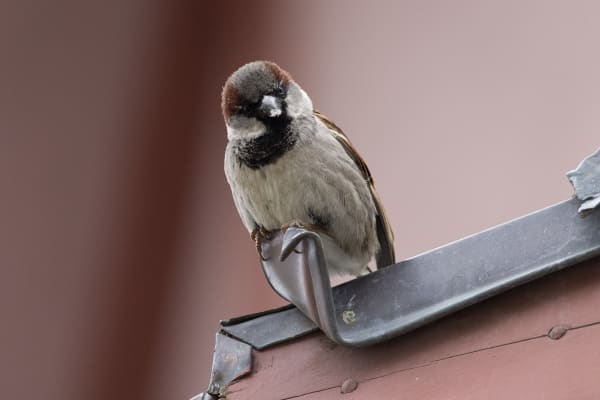


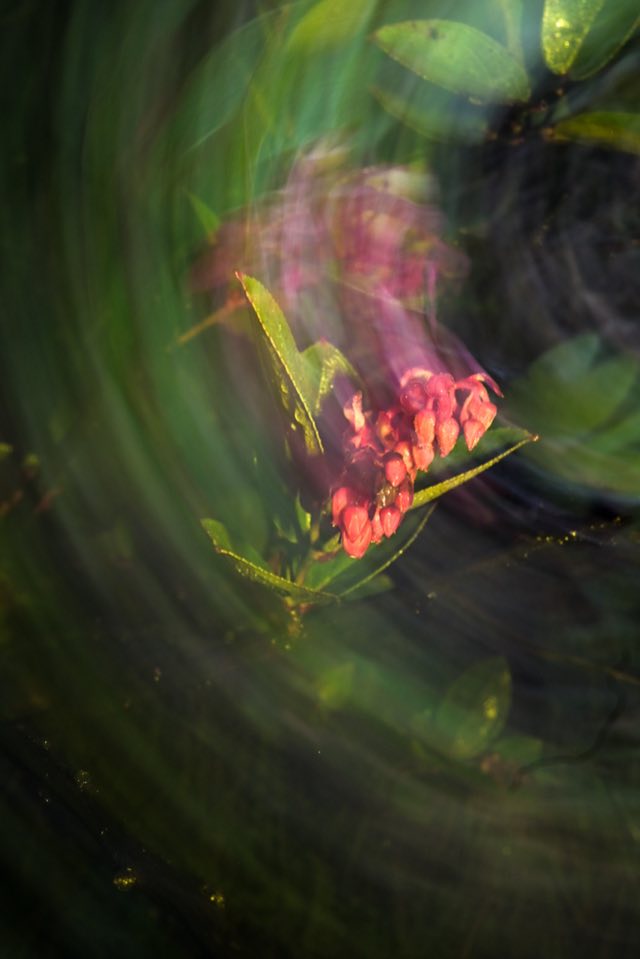
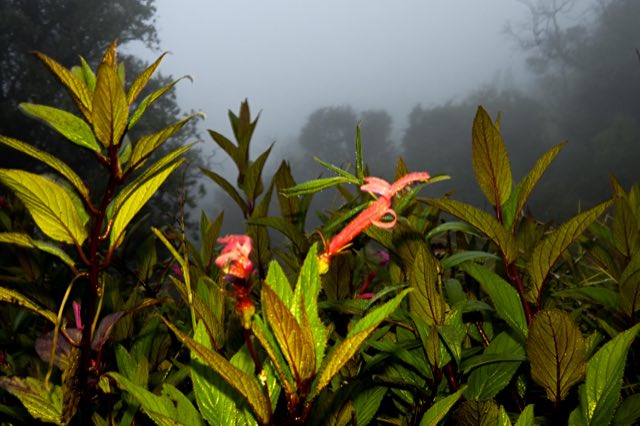
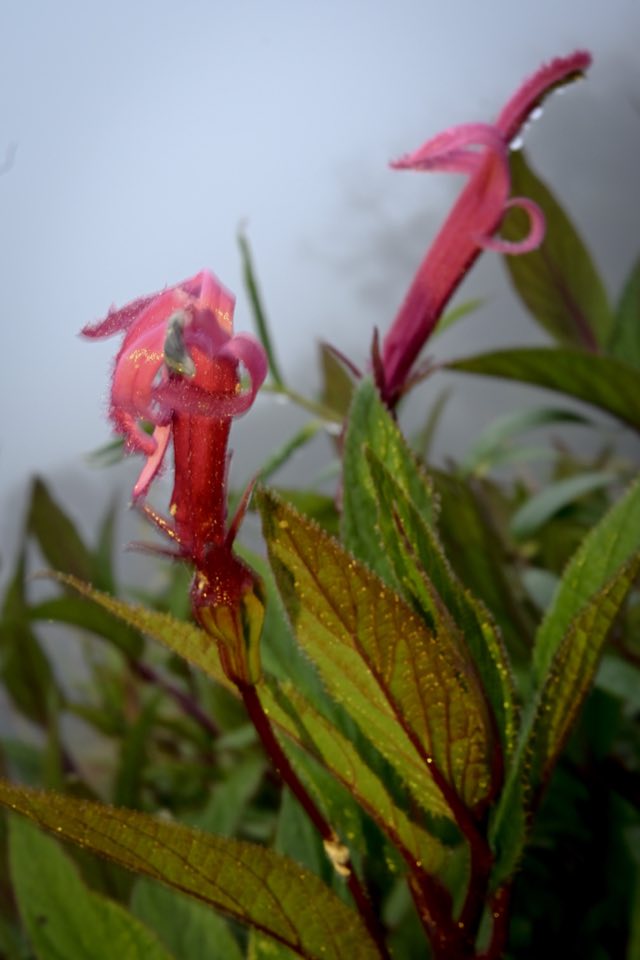
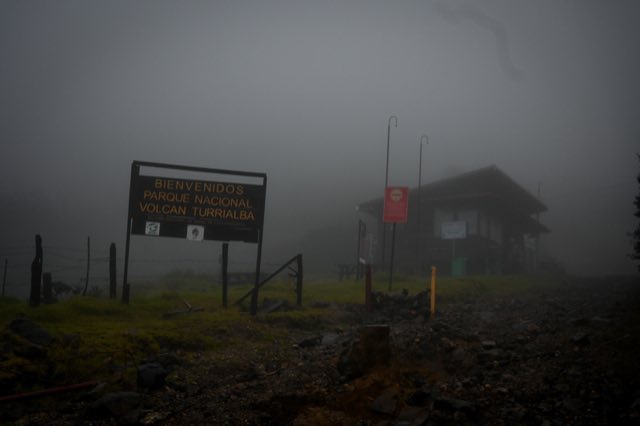
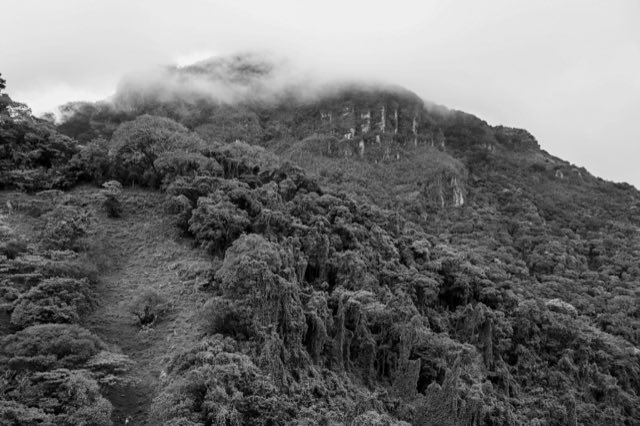
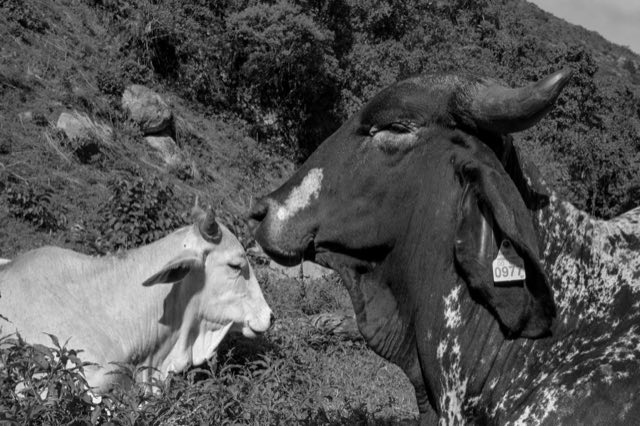
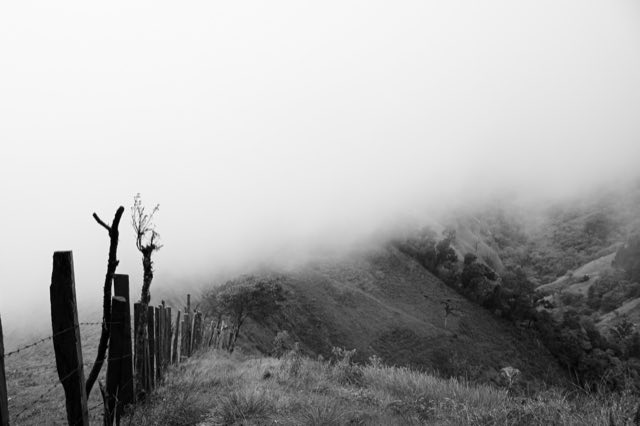
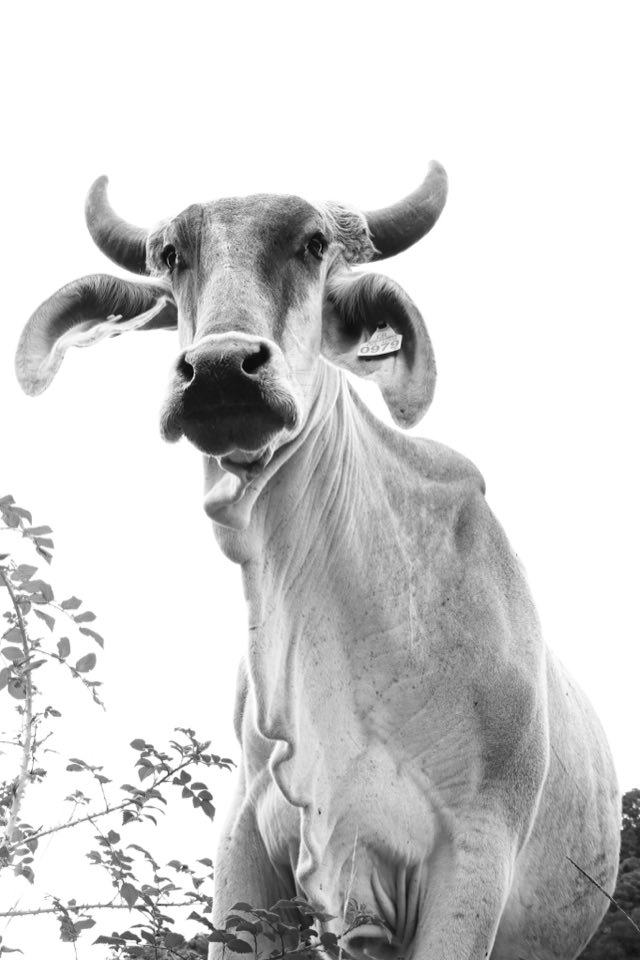
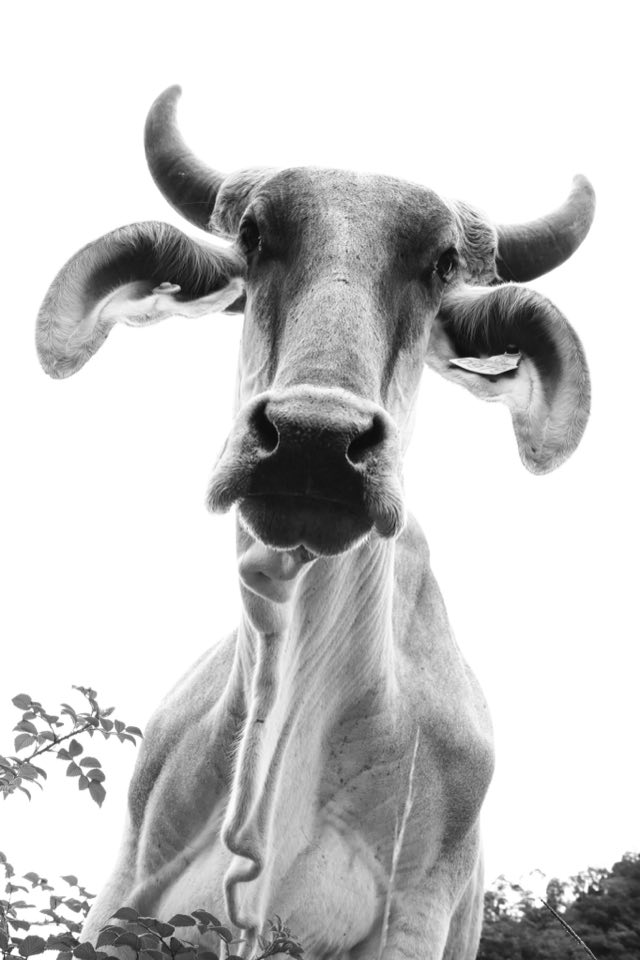
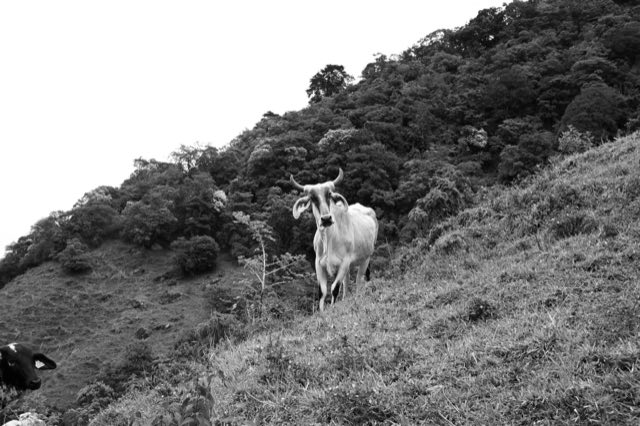
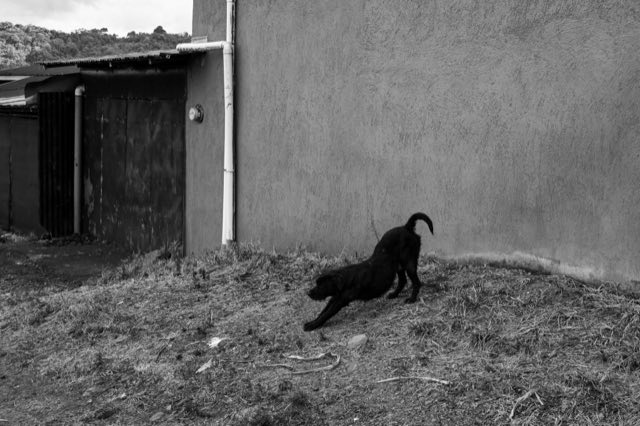
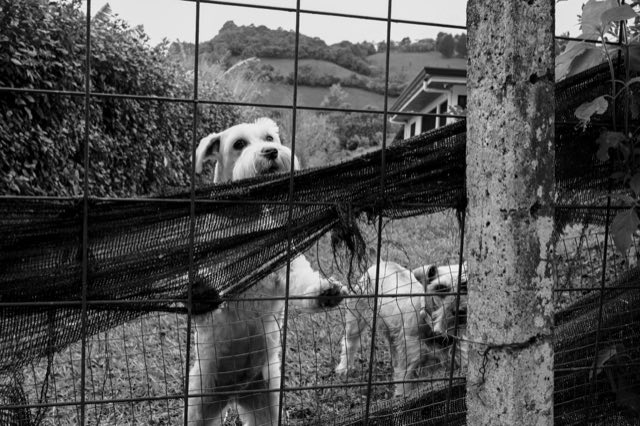
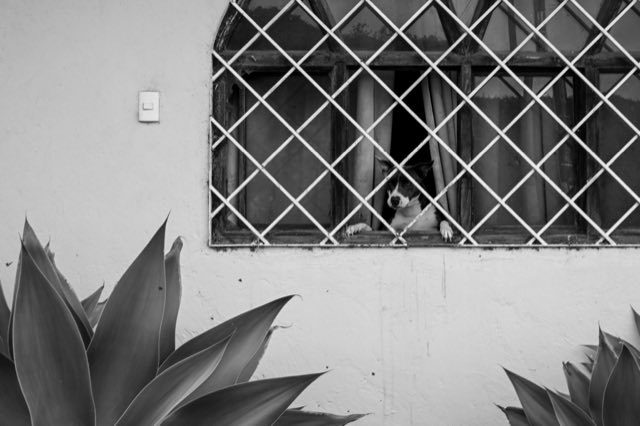
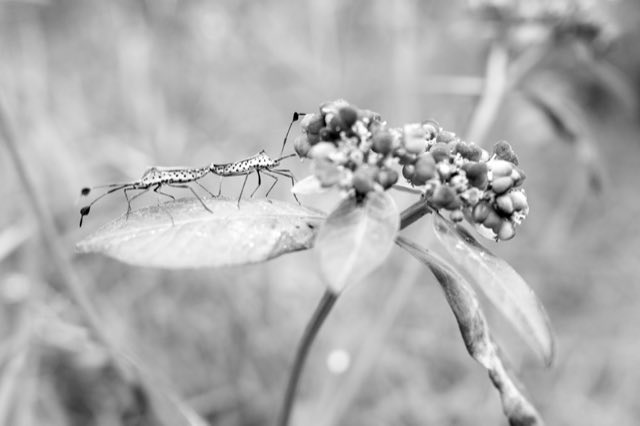
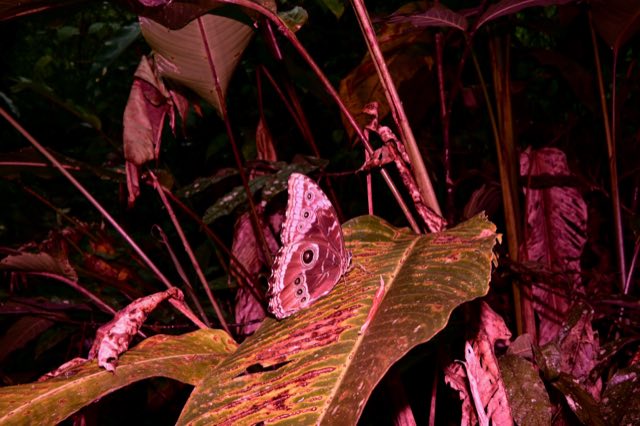
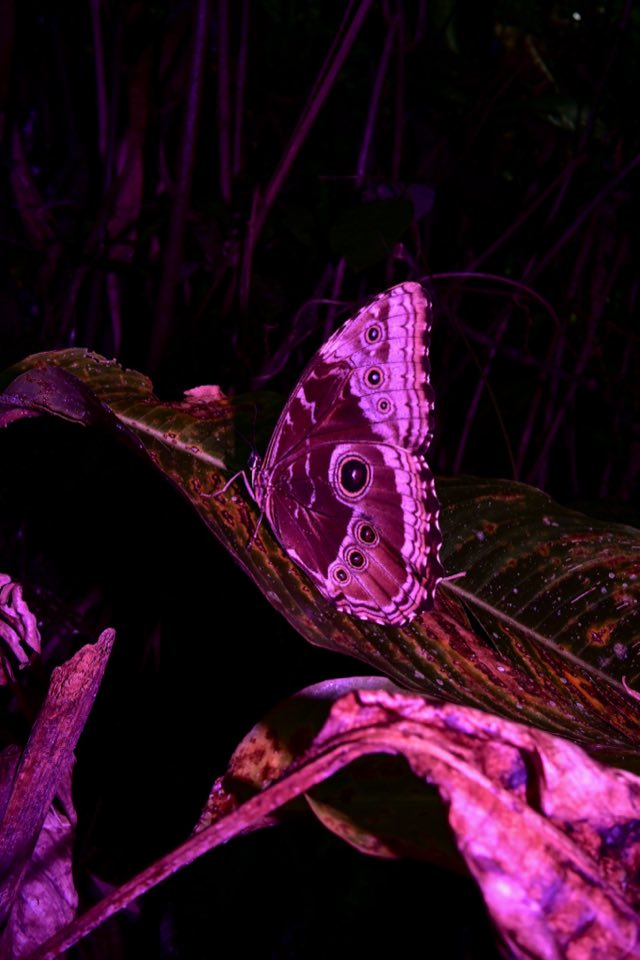
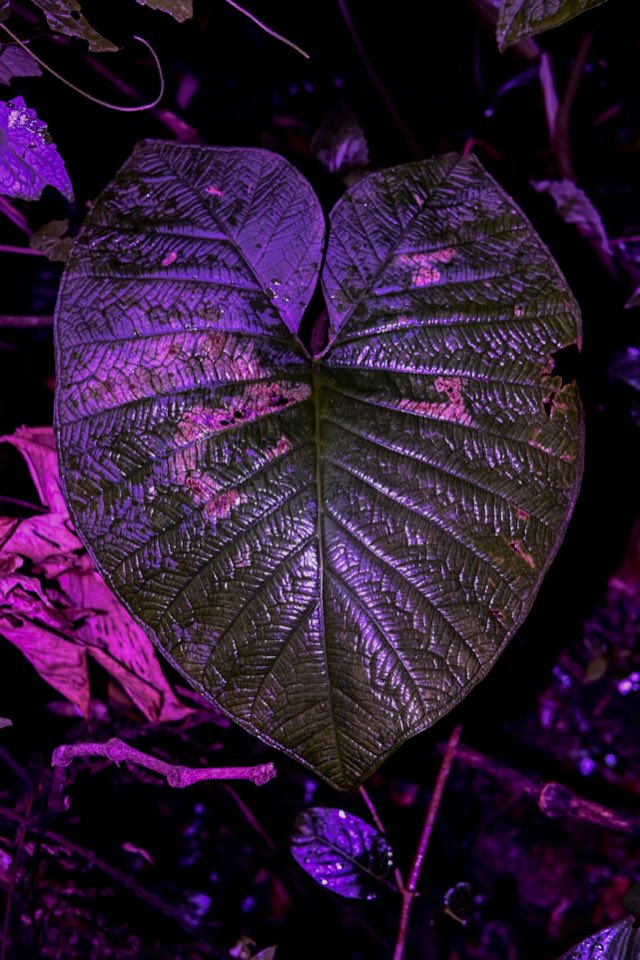
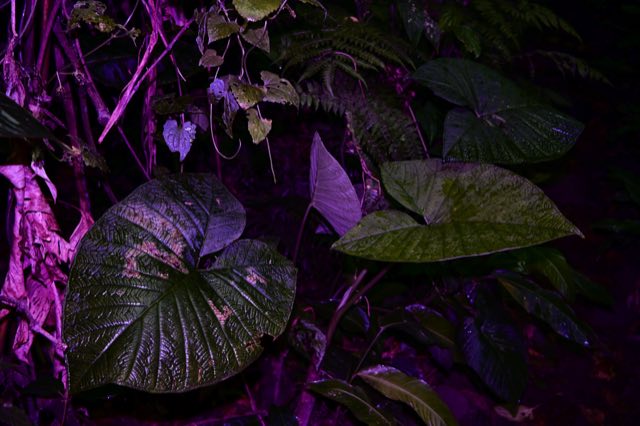
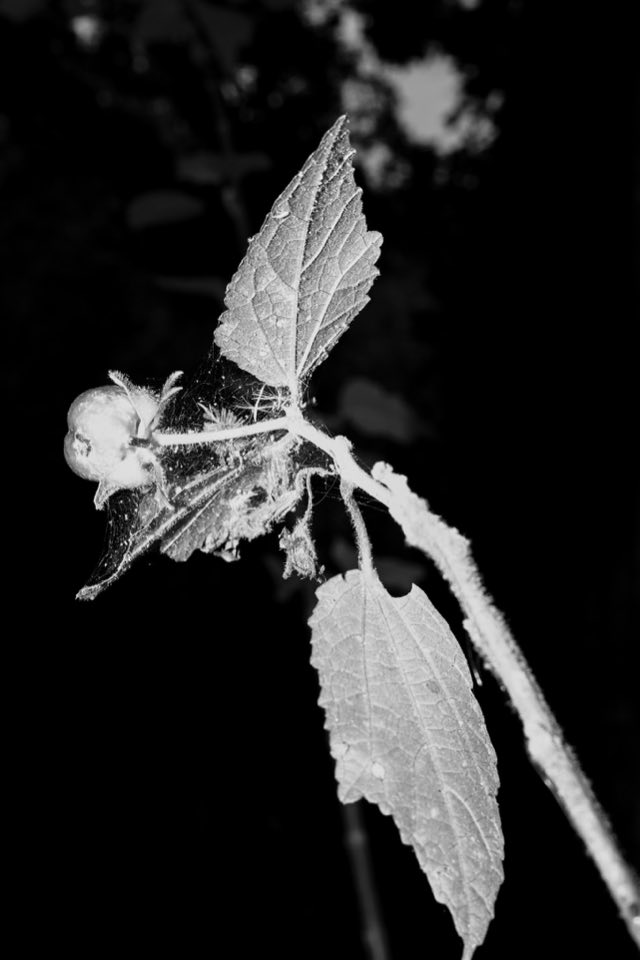
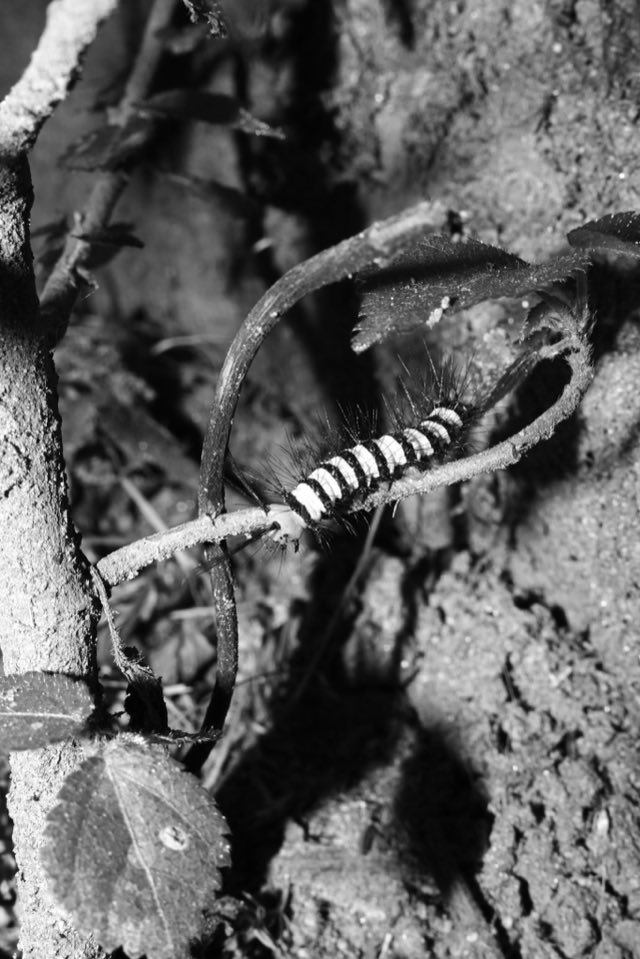
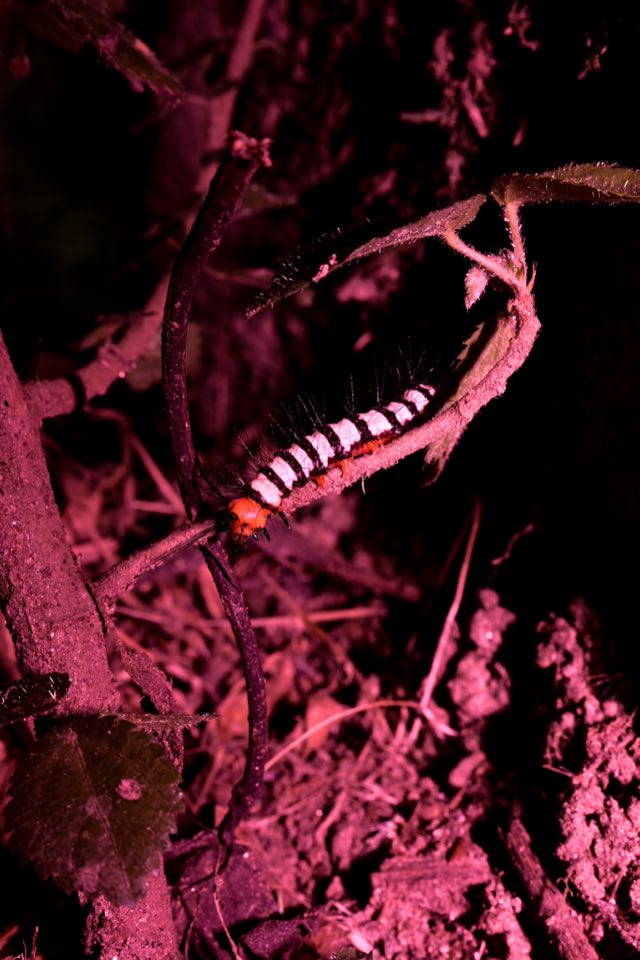
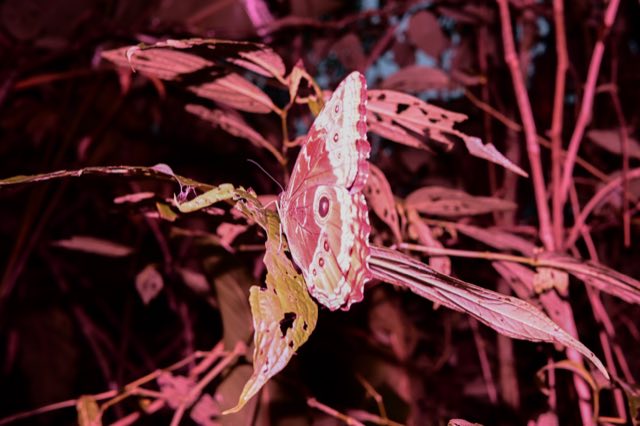
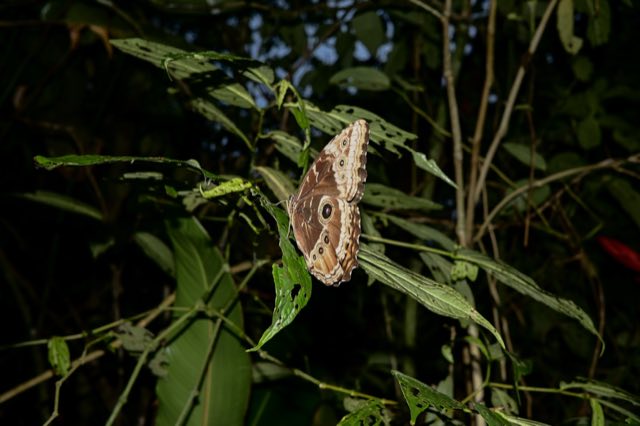
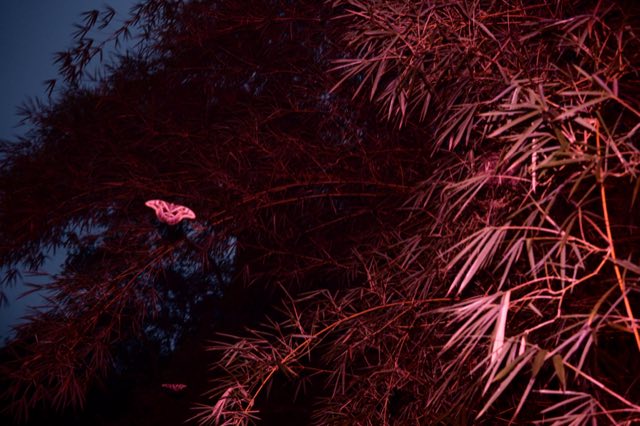
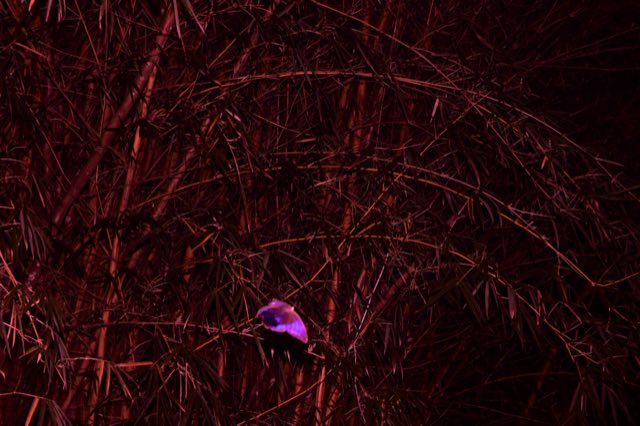
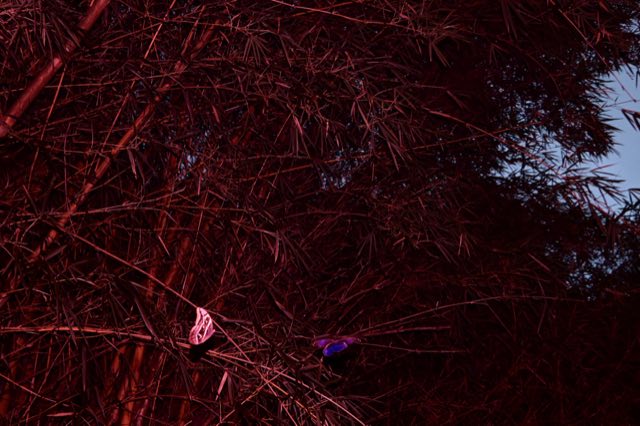
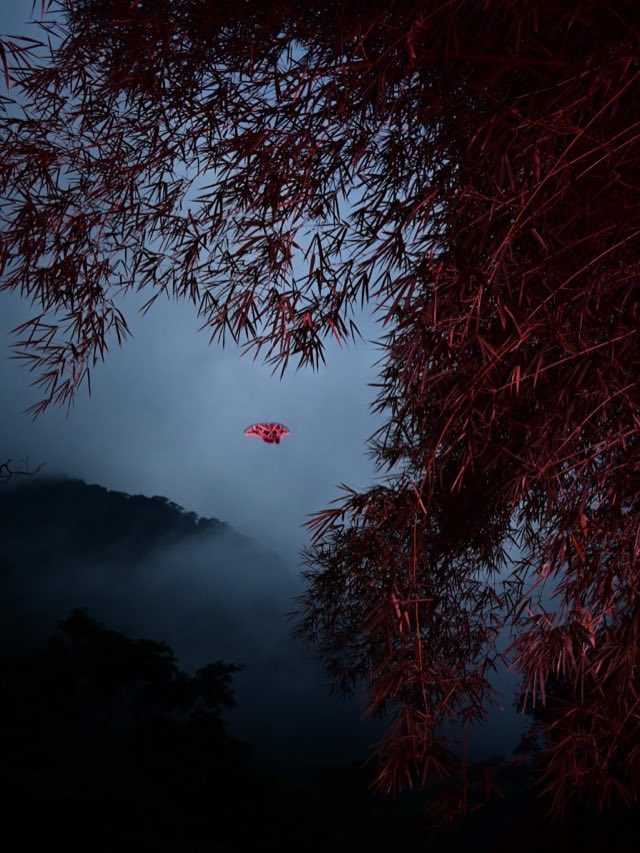
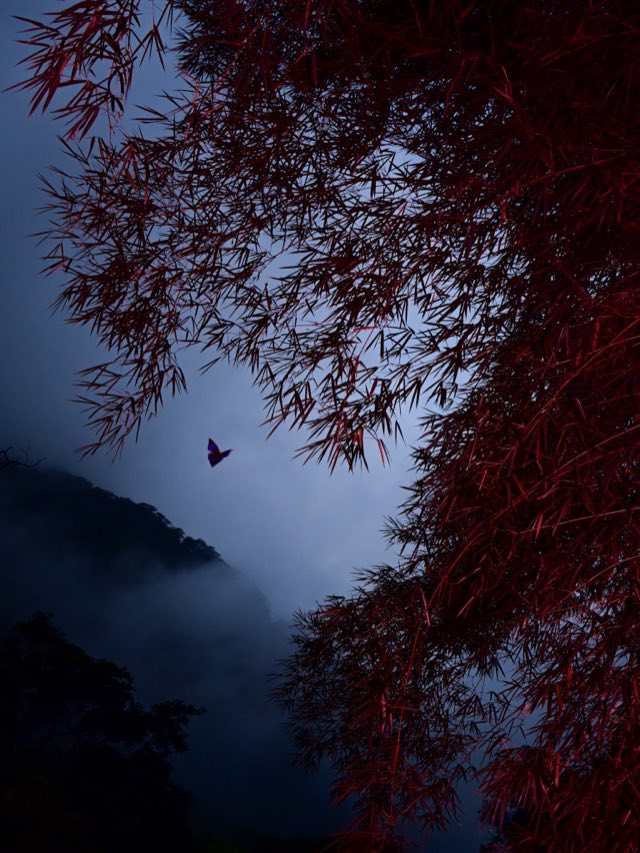
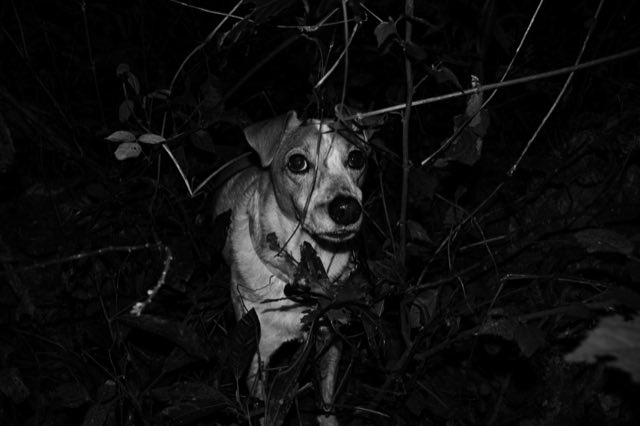
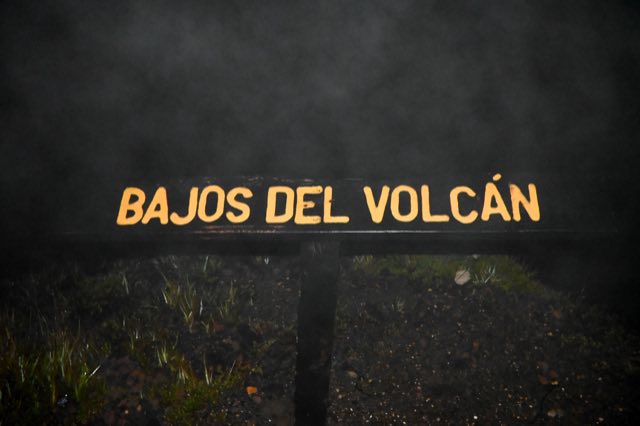
Lo más reciente en digital, todo con una Nikon Z fc y un 24 mm. Tres salidas, tres series.The most recent digital work, all shot on a Nikon Z fc with a 24 mm. Three outings, three series.
Soy Esteban. Crecí en Venezuela y vivo en Costa Rica. Esto es mi registro digital: fotos, proyectos random y cosas que digitalicé por alguna razón.
I’m Esteban. I grew up in Venezuela and live in Costa Rica. This is my digital logbook: photos, random projects and things I digitized for some reason.


Esteban Pérez Mendoza
UBC, Canadá · The University of British Columbia, Kelowna
Bachelor of Management, con especialización en psicología. 2024.Bachelor of Management, specialized in psychology. 2024.
Founder de The ADHD Weasel.Founder of The ADHD Weasel.
Y de vez en cuando doy clases de tenis.And every now and then I teach tennis.
Toca cualquier foto para verla en grande.Tap any photo to open it.
la estrella guarda favoritas · impresora pide un print.the star saves favourites · printer orders a print.